28 Sep, 2026
Coir rope vs nylon rope presents a practical operational decision that every greenhouse farm manager must consider before starting a new crop cycle. Trellising lines serve not only as a structural support to hold heavy melon and tomato vines upright, but also directly dictate cleanup speed after harvest. High-tensile rope twisted from natural coconut coir continues to replace conventional synthetic cordage due to its gentle grip on plant tissue and effortless disposal alongside agricultural biomass. Review the key technical distinctions below to select the most profitable trellising solution for your farm.
Coir rope vs nylon rope delivers immediate operational value by helping commercial growers select high-load trellising cordage that eliminates slipping apical shoots and prevents stem girdling. Simultaneously, this organic material directly slashes post-harvest vine removal labor by 50%, enabling greenhouse teams to shred and compost trellising lines together with crop residues.
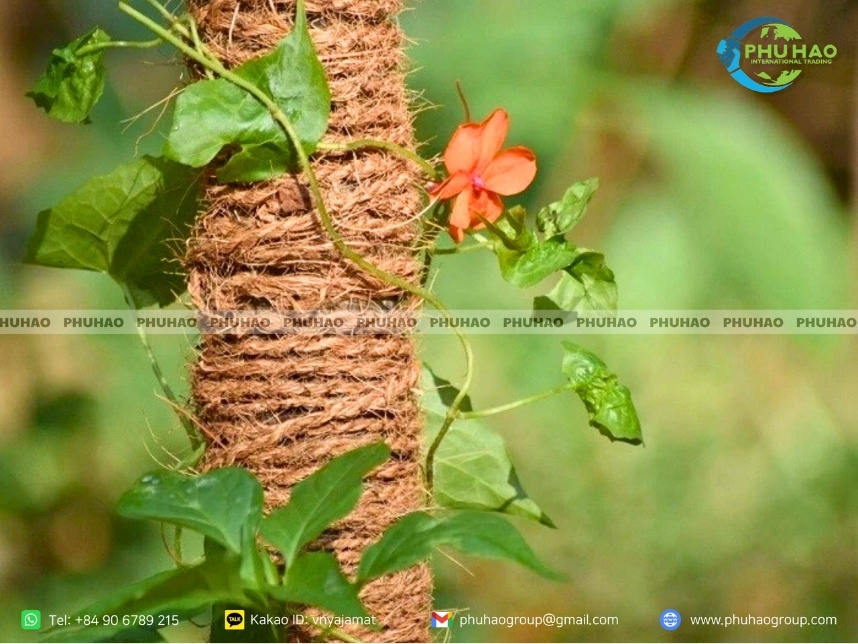
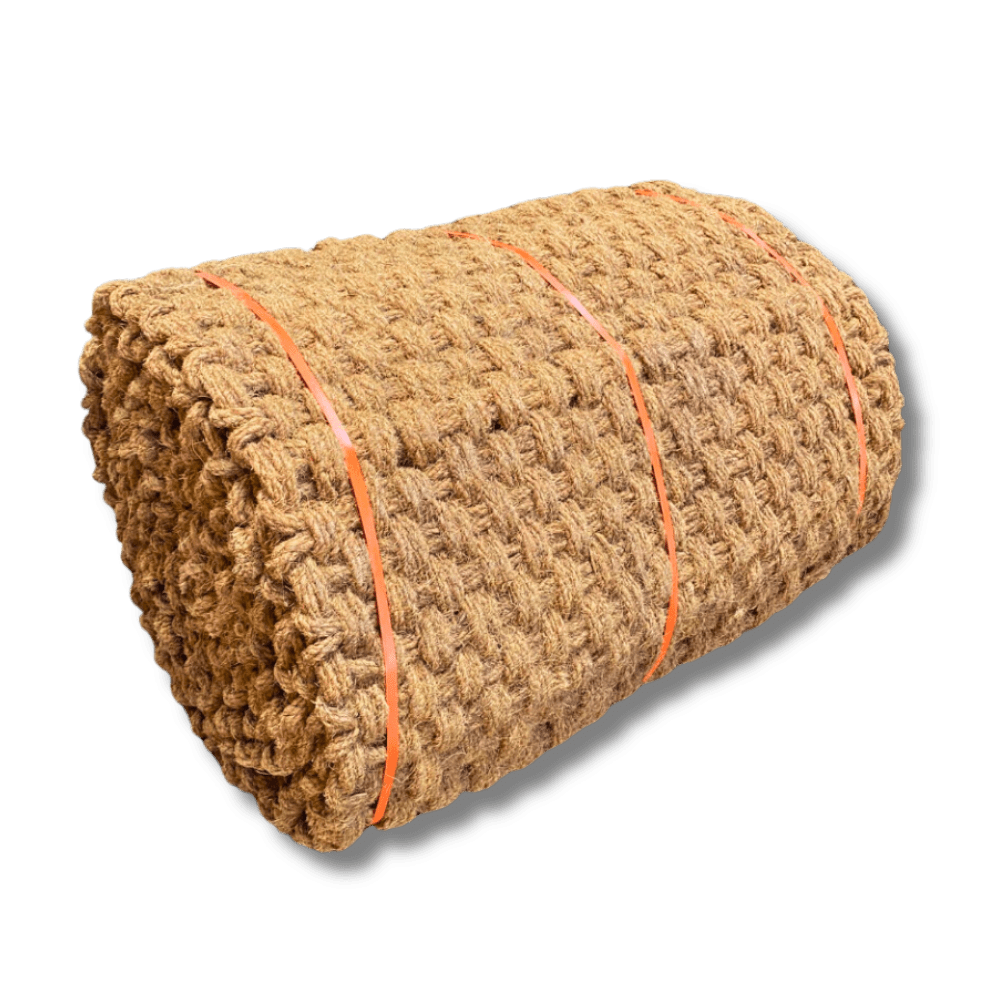
PHUHAOGROUP coir rope supports and anchors young crop stems, drastically reducing slipping shoots and cutting labor hours
Each trellising line exhibits distinct mechanical properties that directly impact crop development throughout a standard 75 to 90-day greenhouse production cycle.
Under intense greenhouse heat and restricted air exchange, evaluating coir rope vs nylon rope shows that PP nylon rope quickly turns brittle and degrades under constant ultraviolet radiation and thermal stress. Commercial growers frequently report sudden plastic rope snapping during heavy fruiting stages, causing severe fruit drop, bruising, and substantial crop loss. Natural coconut coir fiber contains dense, resilient lignin polymers that maintain tensile stability near high-temperature ceiling trusses. Properly twisted coir rope supports working loads from 20 kg to over 40 kg, holding heavy melon clusters through harvest day.
While thin, synthetic plastic cords have sharp edges that saw into plant tissue under air circulation fans. This friction causes severe plant stem damage, stripping the epidermis and exposing open vascular wounds to fungal pathogens that cause stem rot and bacterial wilt. Natural coir rope features a textured, spongy exterior that cushions tender vines, preventing bark abrasion and nutrient constriction. Examining coir rope vs nylon rope makes the biological protection of natural fibers clear, keeping plants vigorous from root collar to apical shoot.
Commercial farm economics requires accounting for every expense from seeding to field clearing, rather than judging materials solely by vendor invoices.
Analyzing coir rope vs nylon rope through baseline purchase quotes shows that synthetic cordage carries a lower initial tag due to mass production from recycled plastic resin. Sourcing synthetic rope can cost roughly 30% less upfront than investing in natural coir rope coils. That initial pricing gap frequently misleads farm managers into assuming nylon represents the most cost-effective option for greenhouse budgets.
Direct greenhouse operations reveal substantial hidden losses when running coir rope vs nylon rope. Synthetic rope fragments degrade into persistent agricultural plastic waste, jeopardizing compliance audits for farms pursuing GlobalGAP standards. Mid-season line failures lead to crushed, unmarketable fruit, creating commercial revenue losses that quickly erase initial material savings.
>>> READ MORE: Coir Rope Export Packing Specifications: Cored And Coreless Coils For 40HC Containers
Clearing desiccated biomass after harvesting represents one of the most grueling, expensive labor line items for modern high-tech farm operations.
Following harvest, drying crop stems shrink and bind tightly around synthetic plastic cordage. Field crews must spend long shifts using shears to cut short sections and pull individual plastic strands from desiccated leaf nodes. Looking at coir rope vs nylon rope, this manual labor drives up post-harvest cleanup costs and ties up cultivation zones for days.
Post-harvest processing highlights the practical advantage of coir rope vs nylon rope. Because coconut fiber matches the plant biomass chemically, crews drop whole trellises directly onto harvest carts and feed everything into industrial wood chippers without stripping rope lines. Chipped crop residue and shredded coir mulch transfer directly into compost windrows to produce nutrient-rich humus for subsequent plantings. Adopting this streamlined protocol eliminates manual untangling and slashes post-harvest cleaning labor by more than 50%.
| COMPREHENSIVE COMPARISON: COIR ROPE VS NYLON ROPE | Natural Coir Rope | PP Nylon Rope |
| Material Source | 100% clean, bio-safe natural coir fiber | Synthetic petroleum-based PP polymer |
| Tensile Capacity | 20 to 45 kg load capacity, resilient flexibility | High initial strength, degrades under heat |
| Crop Safety | Soft, textured surface protects tender stems | Sharp edges cause stem abrasions and wounds |
| End-of-Season Cleanup | Drop entire trellis and shred with biomass | Requires tedious manual string separation |
| Compostability | Fully decomposes into organic soil humus | Non-biodegradable; impossible to recycle when soiled |
| Farming Standard | Clean, closed-loop circular agriculture | Leaves microplastic residues in the environment |
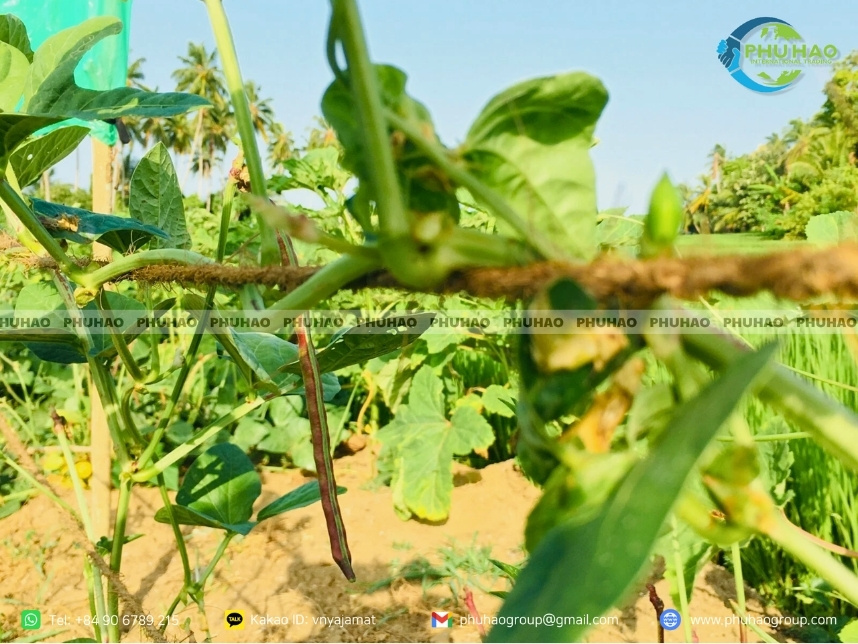
PHUHAOGROUP coir rope feeds directly into crop residue chippers, freeing greenhouse operators from heavy seasonal clearing work
What is crop trellising coir rope, and which crops does it support?
Coir rope is twisted from natural coconut fibers, engineered specifically for vertical climbing crops including cantaloupe, cucumbers, tomatoes, and greenhouse bell peppers.
Does coir rope develop mold or snap inside humid greenhouses?
PHUHAOGROUP coir rope undergoes industrial oven-drying down to sub-15% moisture levels, preventing mold formation and fiber failure during heavy fruit development.
Can growers reuse coir trellising rope for subsequent crop cycles?
Shred and compost used rope alongside old vines to break crop disease vectors, rather than reinstalling used lines across upcoming seasons.
Does shredding vines with coir rope clog organic waste chippers?
Dry coir fiber retains a crisp, brittle cellular structure that standard hammer mills and bio-chippers slice cleanly without drum wrapping or axle jamming.
Agricultural modernization begins with practical material upgrades, starting with the vertical lines that anchor crops. Field evaluations of coir rope vs nylon rope show that transitioning to bio-based cordage delivers a clear double dividend: cutting post-harvest labor overhead while protecting soil ecology from microplastics. PHUHAOGROUP supplies uniform, high-tensile coir rope reels sourced directly from Ben Tre, ensuring dependable load capacity and rapid freight logistics for commercial operations. Deploying bio-based materials lowers cleanup expenses and safeguards clean cultivation certifications. Field trials comparing coir rope vs nylon rope confirm natural fiber as the most cost-effective, sustainable investment for commercial greenhouse operations.
Contact us for a detailed FOB & CNF quotation:
PHU HAO INTERNATIONAL TRADING CO., LTD (PHUHAOGROUP)
📞 Tel/WhatsApp/WeChat/Zalo: +84 906 789 215
📧 Email: phuhaogroup@gmail.com / henry@phuhaogroup.com
🌐 Website: www.phuhaogroup.com
🏬 Alibaba: phuhaogroup.trustpass.alibaba.com
▶️ YouTube: @phuhaogroup
You have0products in your cart
There are no products in the cart.
Total order price