28 Sep, 2026
Black mold on coir rope poses a frequent yet serious technical threat during the storage of agricultural materials destined for green infrastructure. Surface mildew colonizes bundles when elevated warehouse humidity meets stagnant, anaerobic air, driving fungal hyphae deep into the natural fibers of Ben Tre coir. This fungal attack discolors the material with rough black patches and directly degrades the tensile endurance of every twisted ply. Landscape contractors who detect and eliminate black mold early protect critical tensile ratings, ensuring reliable field performance throughout project lifespans.
Black mold on coir rope permits complete recovery only when fungal hyphae remain confined to the outer surface. By isolating the affected lot, sun-drying to reduce core moisture, and brushing fibers clean, you restore safe working tensile strength. Once mold enzymes penetrate deep into the core and cause structural rot, internal tensile loss becomes permanent and irreversible.
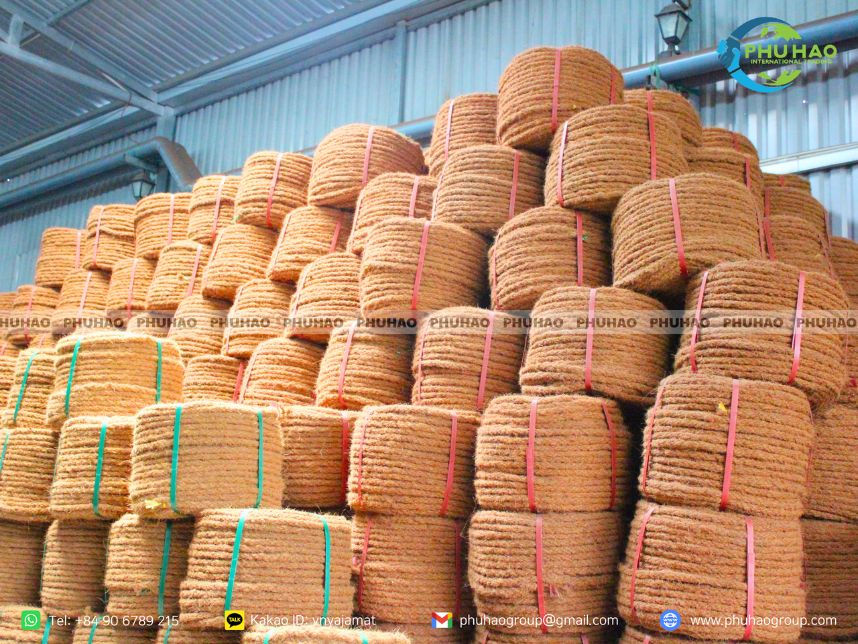
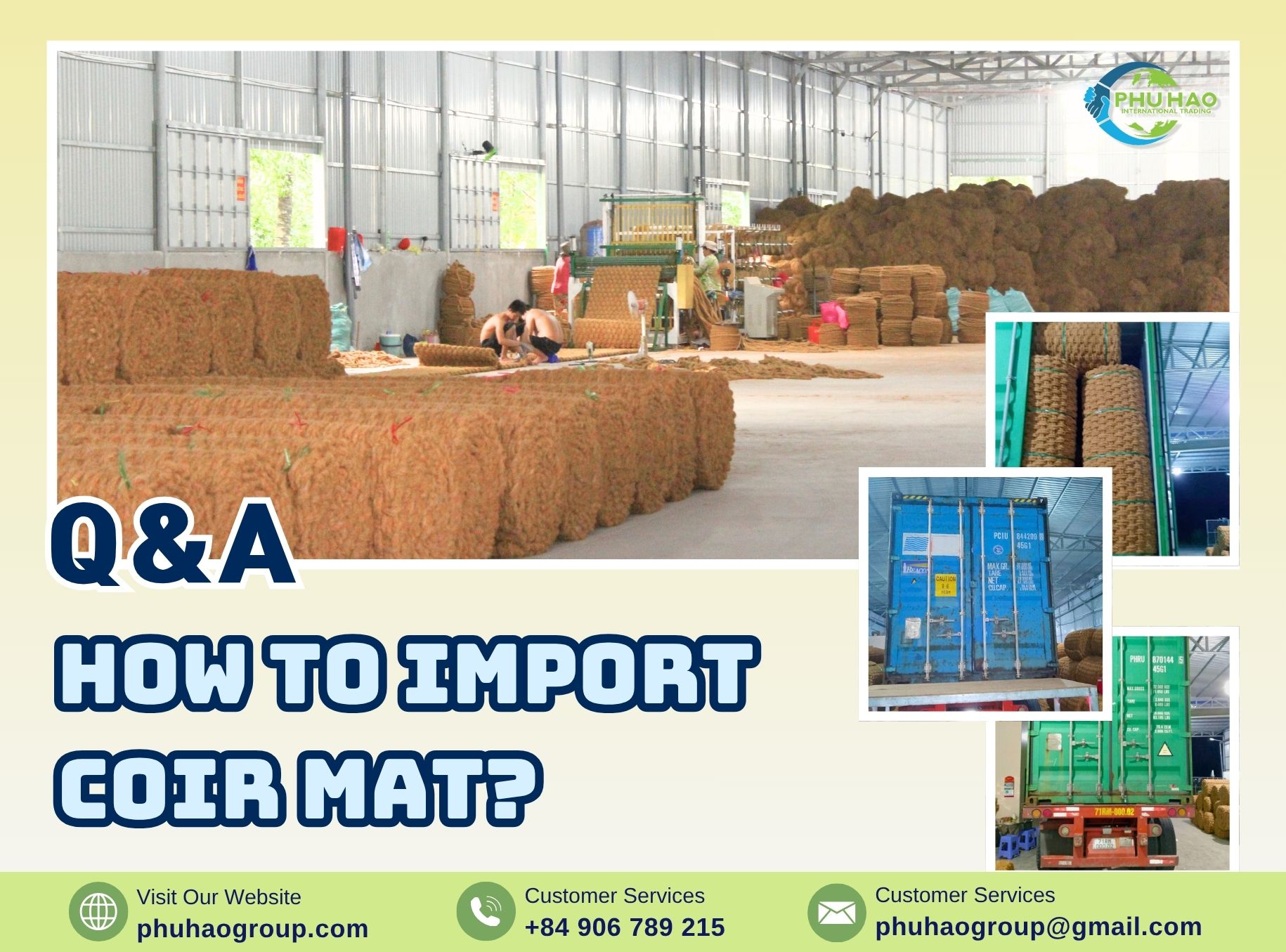
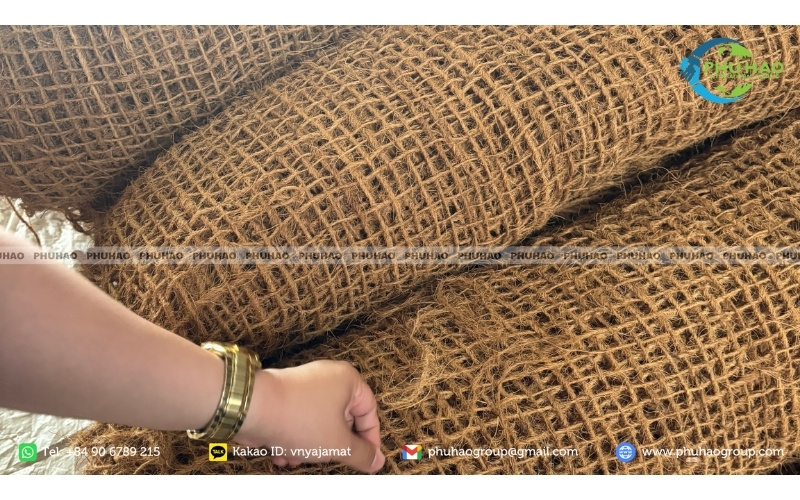
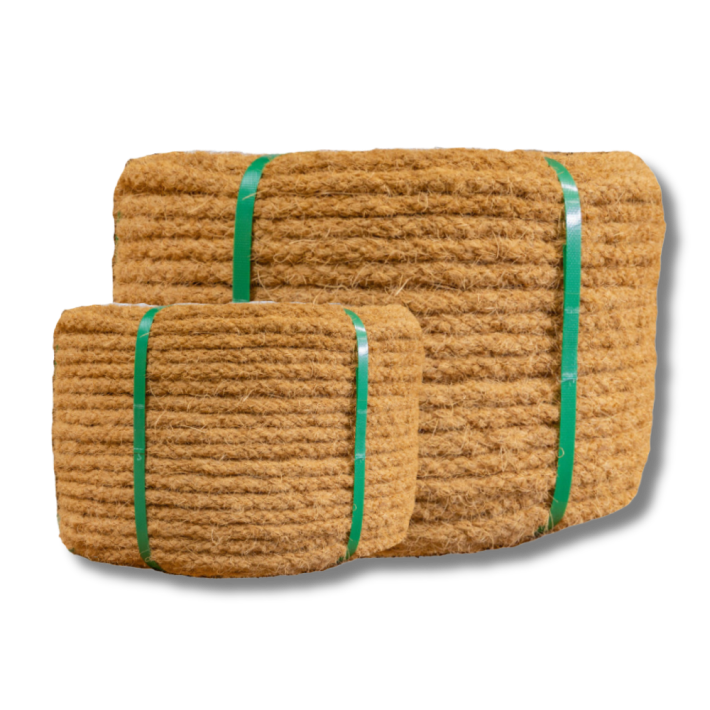
Export-standard PHUHAOGROUP coir rope stored under controlled moisture conditions before container loading and port dispatch
In damp warehouse environments, the most aggressive microbial invader is Aspergillus black mold. Given favorable conditions, microscopic fungal filaments creep into gaps between twisted coconut strands. Here, the fungus secretes digestive enzymes to consume natural cellulose chains and binding lignins as fuel for growth.
This progressive breakdown breaks intercellular bonds, carving out micro-cavities across the core. Leaving black mold on coir rope unchecked for weeks rots the load-bearing interior into a brittle, desiccated husk stripped of natural elasticity.
Quality standards require export-grade coir rope to generate high frictional grip across mature fibers to sustain tensile loads. When black mold on coir rope takes hold, nominal tensile strength drops by 40% to over 60% within weeks of improper storage.
Such structural loss creates hazardous conditions on site because compromised ropes snap abruptly at knot points without prior elongation. Deploying rolls affected by black mold on coir rope for storm tree bracing or bio-engineering trellis setups invites catastrophic collapse, personal safety risks, and expensive liability claims.
Maintaining warehouse moisture <15% serves as the primary technical defense against black mold on coir rope. Factory quality controllers insert pin-type capacitance moisture meters straight into the center of each roll before strapping.
Moisture readings exceeding 16% leave free water inside bundles, triggering dormant fungal spores to sprout. Keeping moisture below critical thresholds suffocates harmful fungal organisms, stops black mold on coir rope, and preserves fiber suppleness without embrittlement during prolonged storage.
Storage sites lacking heavy-duty pallet racks must implement ground clearance and continuous air turnover to secure multi-directional air circulation. Avoid stacking coir rolls directly on cold, damp concrete floors. Warehouse operators should elevate stocks on dunnage beams, specialized PE tarps, or moisture barriers at least 10 cm above the slab, keeping stacks at least 30 cm away from masonry walls.
Large day-night temperature swings inside unventilated facilities turn evaporating moisture into ceiling condensation and dripping dew. Capillary moisture draw from unsealed concrete or overhead condensation drips directly triggers black mold on coir rope. Spores then travel swiftly to surrounding stock unless crews cycle warehouse doors to sweep fresh air across aisles.
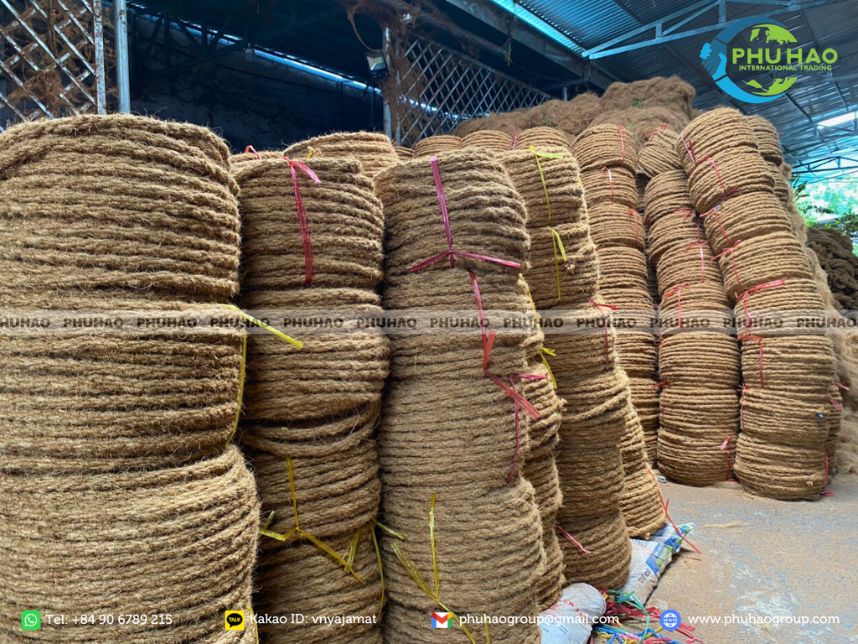
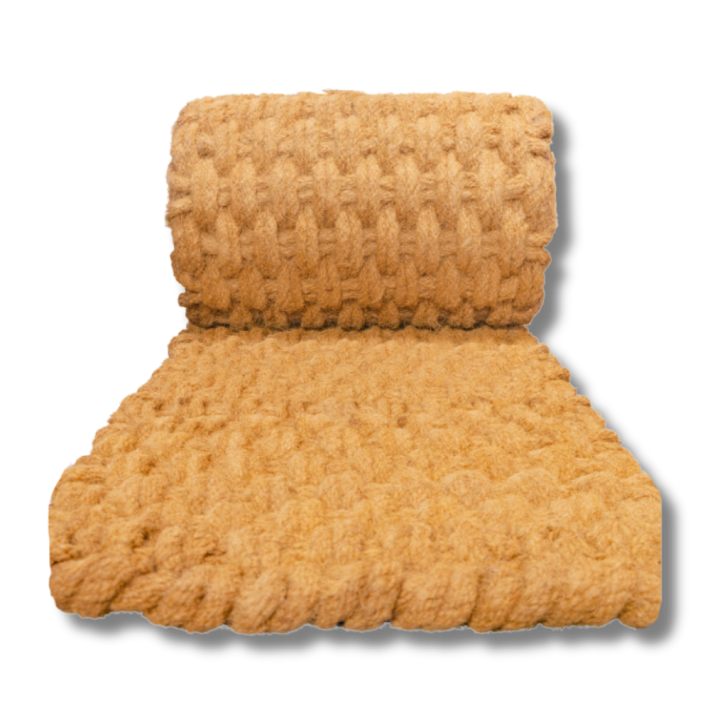
Systematic warehouse tiering, active airflow, and continuous moisture tracking prevent fungal rot and prolong eco-material durability
| Infection Stage | Fiber Condition | Tensile Impact | Technical Remediation |
| Surface Mildew (Level 1) | Grey-black powdery dust on exterior sheath; amber-brown core | None to minimal loss (< 5%) | Quarantine, direct sun drying for 2–3 days, mechanical wire brushing |
| Deep Core Decay (Level 2) | Dull, blackened strands; spongy texture; disintegrating core | Severe loss (40% to > 60% drop) | Retire from load-bearing service; redirect to mulching or composting |
Warehouse teams should immediately isolate affected pallets showing early signs of black mold on coir rope in open-air zones to prevent spores from settling on clean inventory. Unroll damp ropes and spread them under direct, intense sunlight for 2 to 3 consecutive days so natural heat drives off water and halts hyphal growth.
Large logistics facilities or sites facing prolonged rainy spells should employ low-temperature forced-air drying chambers or certified fumigation disinfection. These methods neutralize hidden fungal colonies deep within braided crevices quickly and safely.
Once cords dry out completely, scrub off surface mold and dust to restore working friction and appearance. Technicians can use soft wire brushes down the twist lines or direct high-pressure compressed air nozzles across the bundle to blast off adhering fungal residues.
This mechanical cleaning technique effectively removes black mold from coir rope, revealing the natural golden-brown color of mature Ben Tre coconut fiber without the need for harsh chemical bleaches that can damage organic fibers.
>>> READ MORE: Comparing Coir Rope And Jute Rope For Rug Weaving: Evaluating Weather Resistance And Functional Performance In Mat Production
Can coir rope re-dried after black mold infection still handle regular jobs?
When recovering from black mold on coir rope, rolls suit light tying tasks well, but must never anchor heavy tree guy wires or critical loads.
Can bleach or fungicidal chemicals clean infected coir ropes?
Avoid chlorine bleaches completely. Harsh oxidizers degrade natural cellulose strands and leach harmful chemical residues into field soil.
Does mold spreading along tree trunk wraps or plant trellises harm root systems?
Saprophytic molds pose zero danger to live roots because these fungi consume only dead, damp plant fiber rather than living root tissue.
What field test quickly checks coir rope tensile capacity before installation?
Cut a one-meter test lead, tie a square knot, and snap it hard by hand to confirm whether fibers break brittlely or stretch with resilient tension.
Preventing black mold on coir rope requires disciplined raw material selection and closed-loop factory drying protocols right at the source. As a premier manufacturer and exporter of coconut-derived materials in Ben Tre, PHUHAOGROUP delivers uniform coir rope spun from resilient, mature fibers tested to stringent tensile ratings before shipment. Every export lot carries verified moisture standards and tensile ratings, wiping out threats of black mold on coir rope while keeping operational costs under control. Partnering with an experienced producer eliminates risks from black mold on coir rope because our team understands the unique structural behavior of natural fibers from field to dock. Contact PHUHAOGROUP technical specialists at (+84) 90 6789 215 for high-performance, safe, and durable coir solutions engineered for your construction demands.
Contact us for a detailed FOB & CNF quotation:
PHU HAO INTERNATIONAL TRADING CO., LTD (PHUHAOGROUP)
📞 Tel/WhatsApp/WeChat/Zalo: +84 906 789 215
📧 Email: phuhaogroup@gmail.com / henry@phuhaogroup.com
🌐 Website: www.phuhaogroup.com
🏬 Alibaba: phuhaogroup.trustpass.alibaba.com
▶️ YouTube: @phuhaogroup
You have0products in your cart
There are no products in the cart.
Total order price