28 Sep, 2026
Comparing coir rope and jute rope for rug weaving serves as a core engineering evaluation to determine the mechanical and physical adaptability of the two most prevalent ecological raw materials in modern floor covering production. From a materials science perspective, each natural fiber contains distinct high-molecular organic polymers, yielding unique performance advantages against UV radiation, hydrothermal exposure, and daily mechanical abrasion. This comparative analysis evaluates production performance, industrial processing compatibility, and optimal carpeting specifications across microclimates.
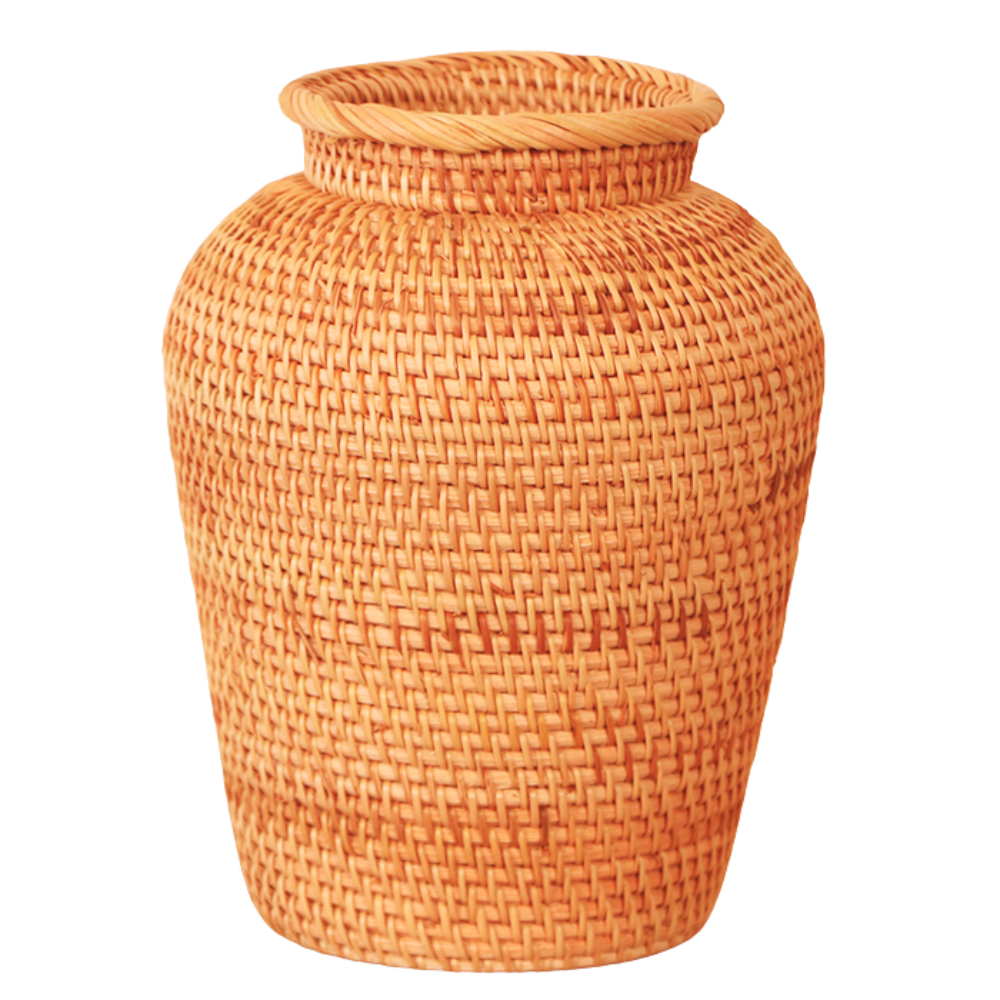
Comparing coir rope and jute rope for rug weaving across eco-friendly styling highlights an optimal balance between utilitarian function and visual warmth: the deep brown, rigid coir fiber forms a rugged focal point for entrance foyers, while golden, supple jute yarn delivers refined elegance and quiet comfort across interior living spaces.
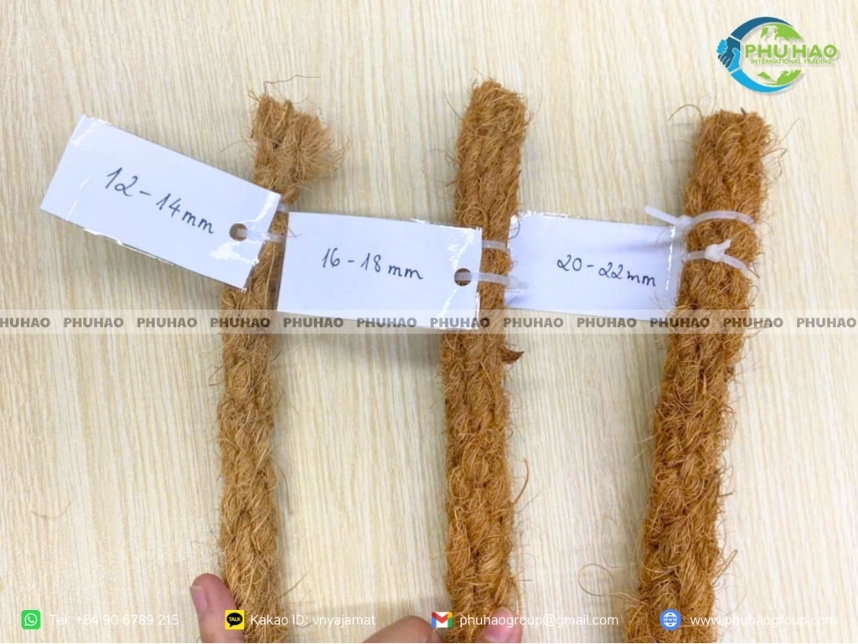
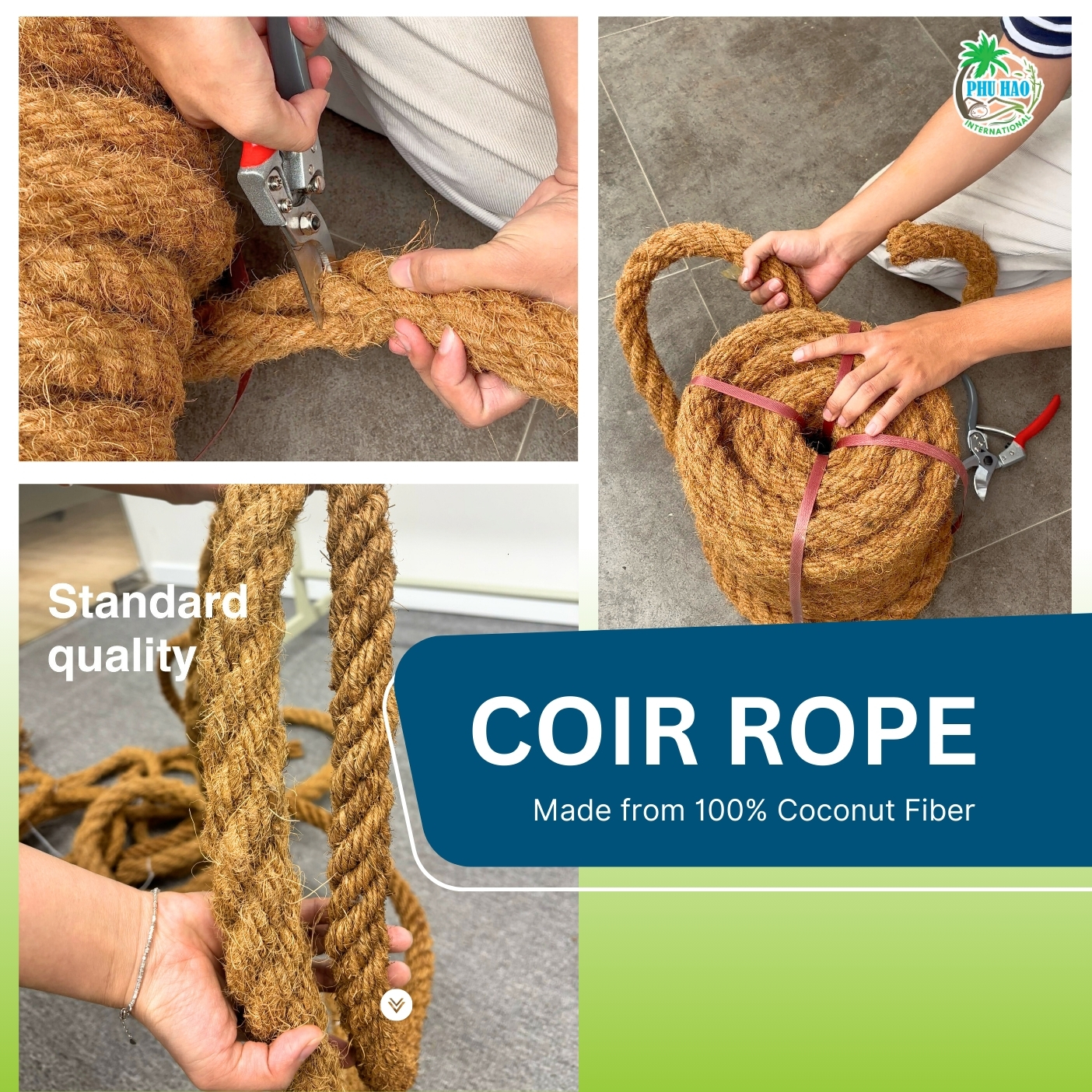
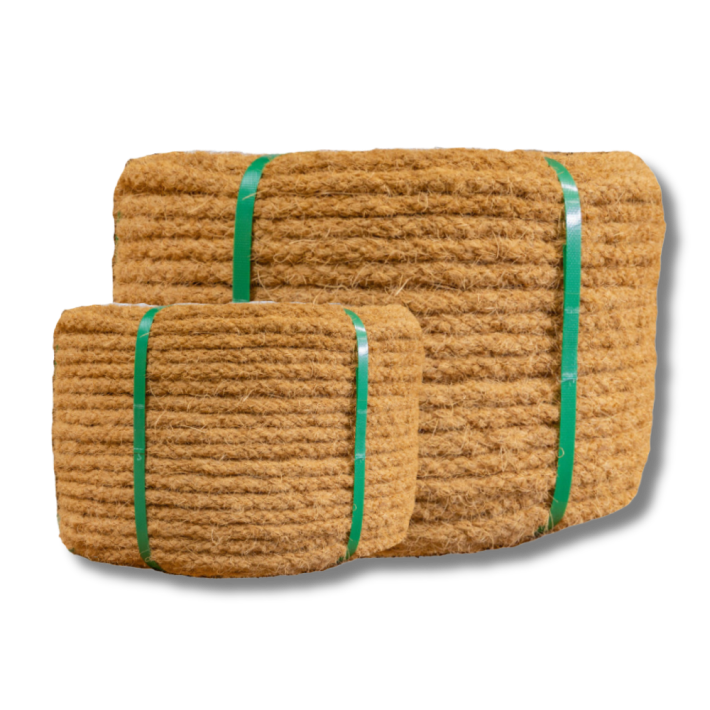
Visual comparison of 12-14 mm, 16-18 mm, and 20-22 mm specifications at the factory floor; when comparing coir rope and jute rope for rug weaving, the tight helical twist of coir delivers superior compressive load tolerance and abrasion resistance
Biopolymer composition directly controls moisture dynamics in plant-based fibers. Coir fiber contains 40% to 45% stable natural lignin, establishing a robust hydrophobic shield that prevents fungal colonisation and decay even under prolonged wet conditions. In contrast, when comparing coir rope and jute rope for rug weaving, jute fiber yields only 12% to 14% lignin alongside high cellulose concentrations. This hydrophilic profile accelerates moisture absorption, driving black mold growth and fiber degradation whenever ambient relative humidity exceeds 80%.
| Technical Parameter | Coir Rope | Jute Rope |
| Lignin Content | 40% – 45% (dense hydrophobic lignin network) | 12% – 14% (low lignin, dominant cellulose base) |
| Mechanical Defense Mechanism | Hydrophobic lignin shields fiber bonds against persistent damp environments | High cellulose content renders the structural matrix highly sensitive to ambient humidity |
When evaluating compressive loads and friction thresholds through comparing coir rope and jute rope for rug weaving, coir fiber stiffness proves superior due to its dense, polygonal vascular bundles that resist flattening under millions of footfalls. Conversely, while jute fiber possesses respectable initial tensile strength, repeated surface friction breaks down its lateral intercellular bonds, accelerating threadbare wear in commercial or high-traffic pathways.
Field tests confirm the superior outdoor rot resistance of coir during rigorous evaluations comparing coir rope and jute rope for rug weaving. Lignin buffers solar UV radiation, preserving core mechanical tensile strength through intense wet and dry cycles. Conversely, unshaded exterior exposure triggers rapid photo-oxidation in jute fibers, causing them to turn dull gray, embrittle, and break down within a few months.
Jute fiber features open capillary pore channels that pull liquid dye molecules directly into the cell core. Processing metrics derived from comparing coir rope and jute rope for rug weaving demonstrate that jute rugs excel at thermal transfer printing, reproducing sharp, vibrant multi-color patterns with high colorfastness. Coir yarn resists conventional aqueous dye baths due to its dense, waxy lignin surface, limiting its palette primarily to natural earthy tones or deep monochromatic shades.
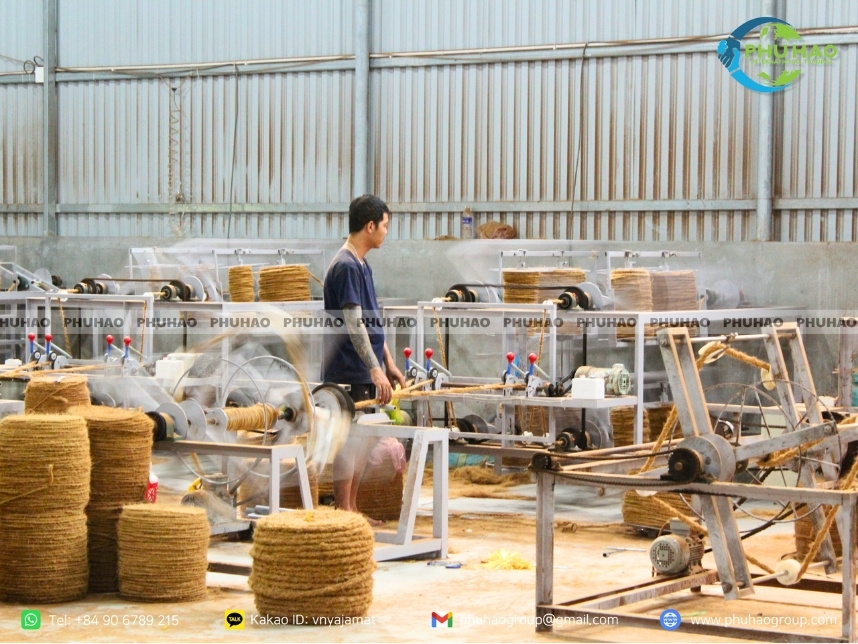
Heavy-duty coir rope spinning line at the PHUHAOGROUP manufacturing plant in Ben Tre; call +84 90 6789 215 for direct wholesale export quotes
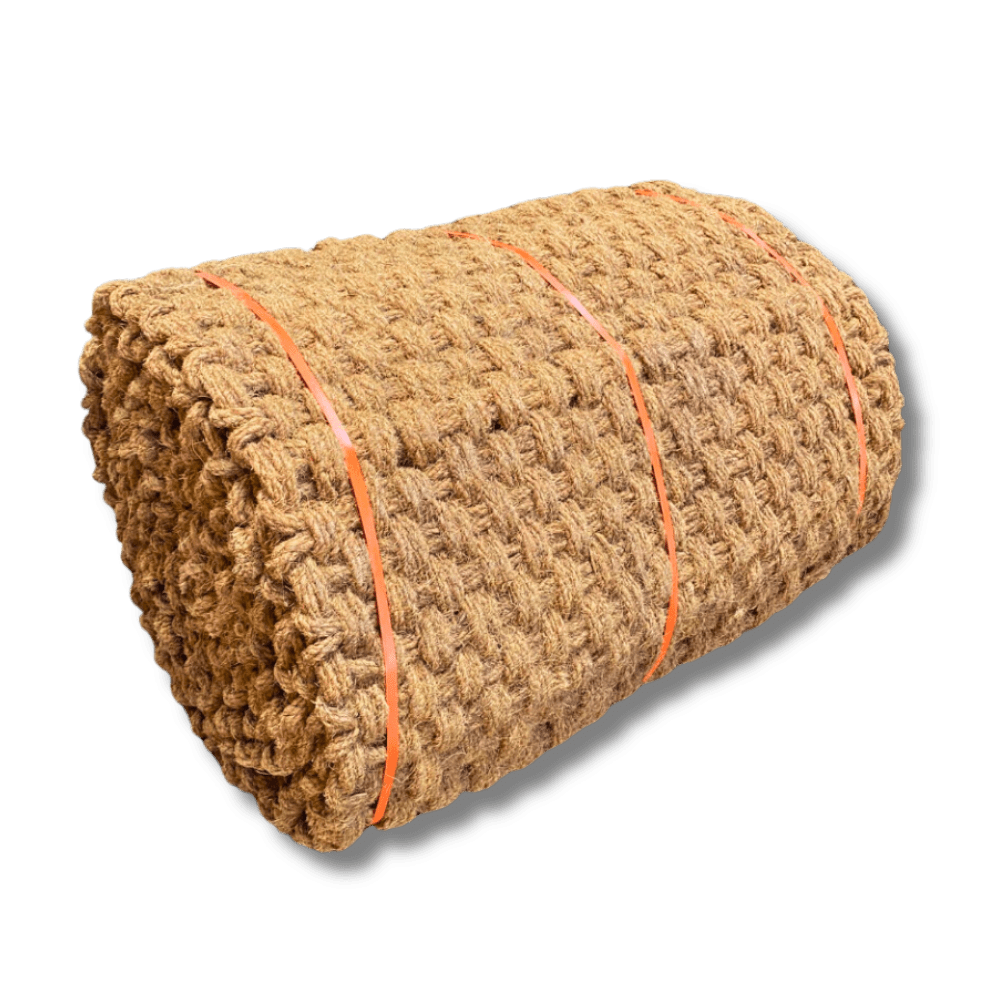
In industrial fabrication assessments comparing coir rope and jute rope for rug weaving, pliable jute runs smoothly across high-speed shuttle looms without jamming mechanical feeders. Heavy-duty coir products, including the large-format Coir Mat line by PHUHAOGROUP, require reinforced mechanical setups or dedicated manual braiding. Master artisans anchor thick coir cordage by hand, building interlocking knots that guarantee structural longevity under heavy loads.
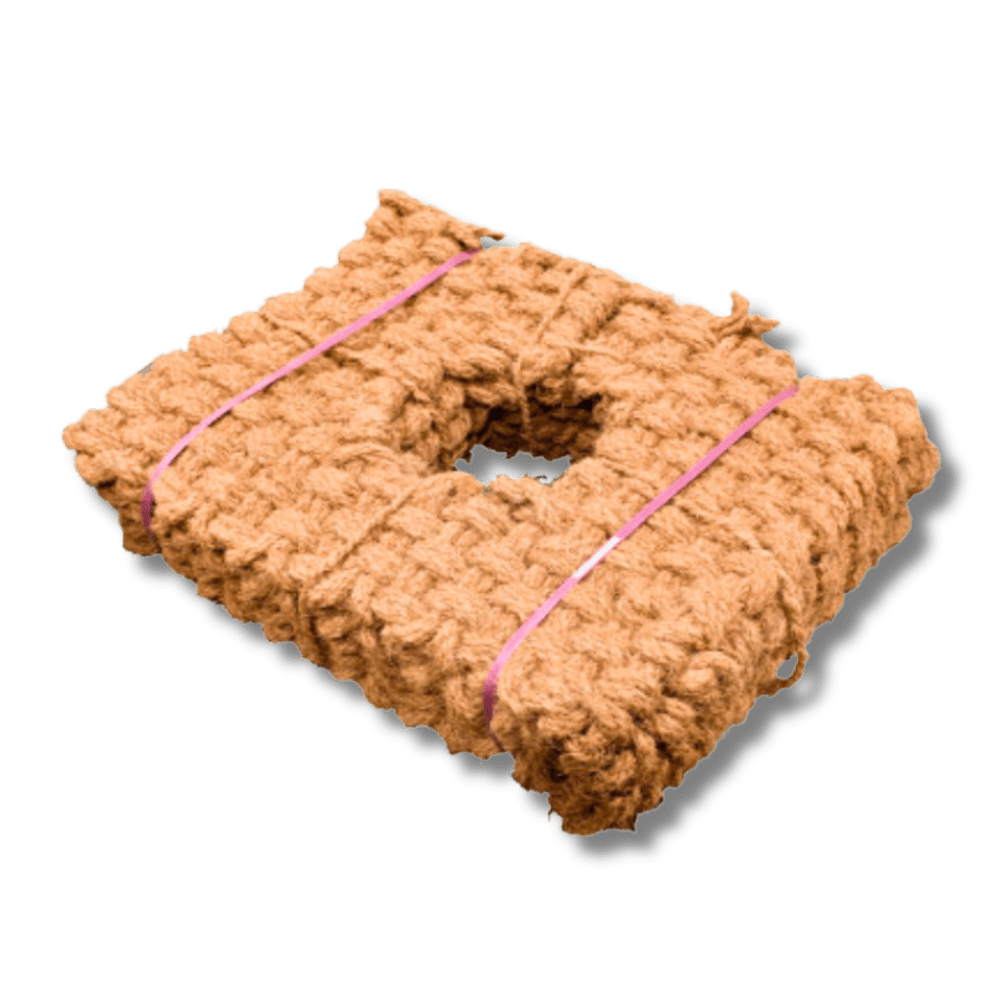
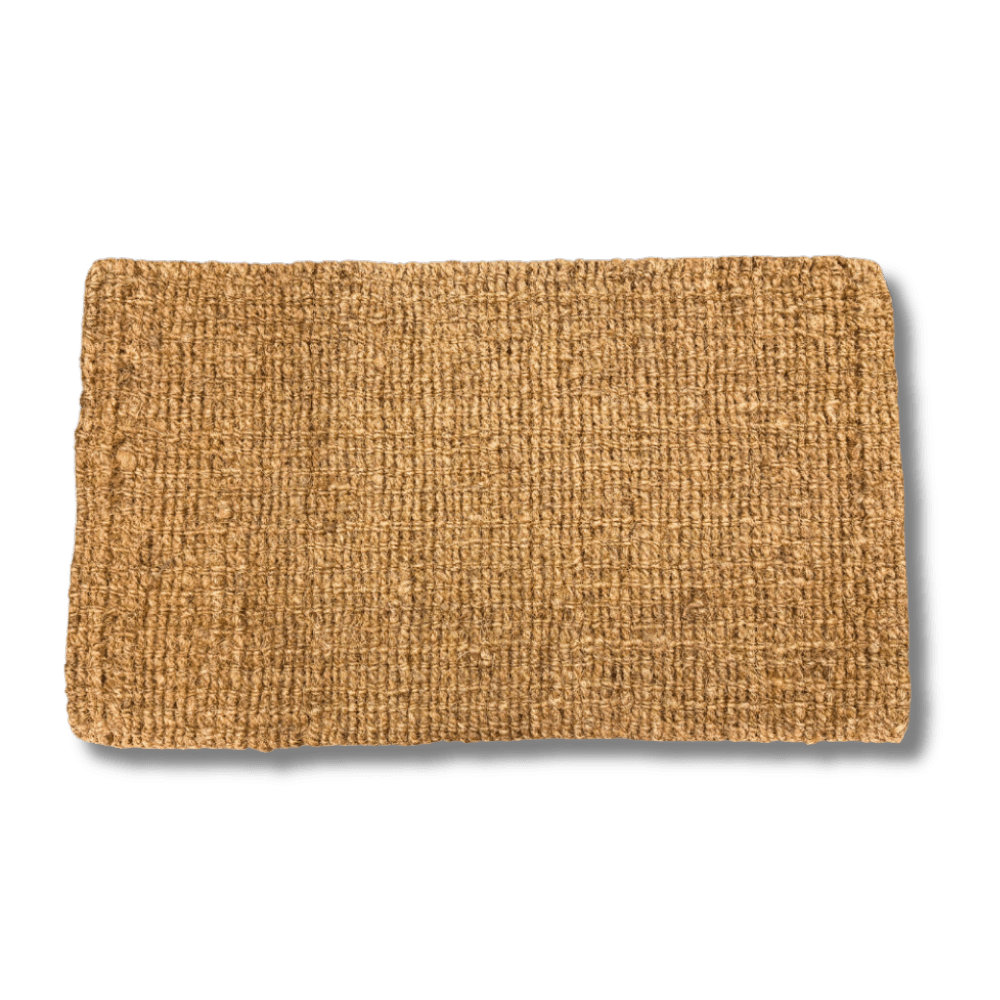
Analyzing building transition points through the lens of comparing coir rope and jute rope for rug weaving, building thresholds, and outdoor access stairs requires rigorous physical scrubbing action. The stiff, brush-like bristles of dedicated entrance and shoe-scraping door mats crafted from coir pry compacted soil and coarse grit out of shoe treads on initial contact. Coir bristle clusters resist matting, shed water rapidly, and prevent dirt from caking into the base; staff can clear trapped debris by shaking the mat firmly or hosing it down, restoring full scraping performance immediately.
For peaceful residential spaces designed for barefoot traffic, woven jute delivers far greater everyday comfort. Jute strands create a soft underfoot surface that dampens footstep acoustics without causing skin irritation. When comparing coir rope and jute rope for rug weaving across living rooms, guest bedrooms, and quiet reading areas, jute brings an artisanal textural depth that enhances modern interior design.
>>> READ MORE: Wholesale Coir Rope Export Price List 2026: Unit Price Per Roll And Container For South Korean Partners
Should you choose jute rope or coir rope for open outdoor balconies?
Choose coir rope; high lignin concentrations shield the core fibers against pooling rainwater and solar UV degradation.
Which material absorbs dye better for intricate patterned rugs: coir or jute?
Jute rope absorbs dye significantly better; its porous cellular channels take in pigment rapidly to deliver sharp, vibrant patterns.
Does coir fiber or jute fiber biodegrade faster in natural soil?
Jute fiber breaks down naturally within 1 to 2 years, whereas dense coir mats retain structural integrity for 7 to 10 years before decomposing.
What rope size delivers optimal results for manual rug making?
Specify 12 – 18 mm coir rope for heavy-duty entry scraper mats, and select 2 – 5 mm spun jute yarn for lightweight, smooth decorative interior rugs.
Evaluating fiber properties by comparing coir rope and jute rope for rug weaving enables project managers and designers to allocate floor materials accurately, balancing functional longevity with environmental integrity. No single plant fiber suits every deployment; success relies on matching fiber chemistry to local humidity and traffic loads. PHUHAOGROUP manufactures premium, export-grade agricultural coir products in Ben Tre, supplying certified floor coverings built to European, Japanese, and South Korean import standards. Ground your procurement specifications in this baseline of comparing coir rope and jute rope for rug weaving to control life-cycle costs and select the proper weave density for every installation. For detailed technical specifications and wholesale container export quotes, contact our team at +84 90 6789 215.
Contact us for a detailed FOB & CNF quotation:
PHU HAO INTERNATIONAL TRADING CO., LTD (PHUHAOGROUP)
📞 Tel/WhatsApp/WeChat/Zalo: +84 906 789 215
📧 Email: phuhaogroup@gmail.com / henry@phuhaogroup.com
🌐 Website: www.phuhaogroup.com
🏬 Alibaba: phuhaogroup.trustpass.alibaba.com
▶️ YouTube: @phuhaogroup
You have0products in your cart
There are no products in the cart.
Total order price