11 Mar, 2026
A well-designed garden path does more than just connect different areas of your outdoor space. It helps organize the landscape, protects plants and grass from foot traffic, and creates a visually appealing flow throughout the garden. Whether you have a small backyard or a larger outdoor landscape, adding thoughtfully designed pathways can enhance both functionality and beauty.

Garden paths can be made from a variety of materials, including natural stone, brick, and eco-friendly options such as coconut fiber mats. By selecting the right materials and layout, you can transform a simple garden into a welcoming and well-structured outdoor environment.
Garden pathways are essential for maintaining the structure and usability of outdoor spaces. Without designated walking areas, foot traffic can damage the grass, compact the soil, and create muddy spots, especially after rain.
A well-designed path provides clear walking routes while protecting the surrounding landscape. It also enhances safety by offering stable ground and reducing the risk of slipping on uneven or wet surfaces.
In addition to their practical benefits, garden paths contribute to the landscape’s visual design. A winding path through plants and flowers can create a sense of exploration, while straight, clean lines offer a more modern and organized appearance.
Choosing the right material for a garden path is one of the most important decisions in landscape design. Different materials offer unique aesthetics, levels of durability, and maintenance requirements.
Natural stone is a popular choice for garden pathways. Stones such as slate, limestone, or granite provide a timeless and elegant appearance that blends seamlessly with outdoor environments. Stone paths are highly durable and can withstand various weather conditions, making them suitable for long-term landscape projects.

Gravel paths are a cost-effective and easy-to-install solution for gardens. The loose stones offer good drainage and create a natural, rustic look. Gravel is particularly effective in informal gardens and larger landscapes where flexibility and low maintenance are important.

Brick and concrete pavers are classic options for outdoor pathways. These materials create a clean and structured appearance, making them suitable for both traditional and contemporary landscapes. Paver paths are also durable and can withstand heavy foot traffic, making them ideal for frequently used areas.

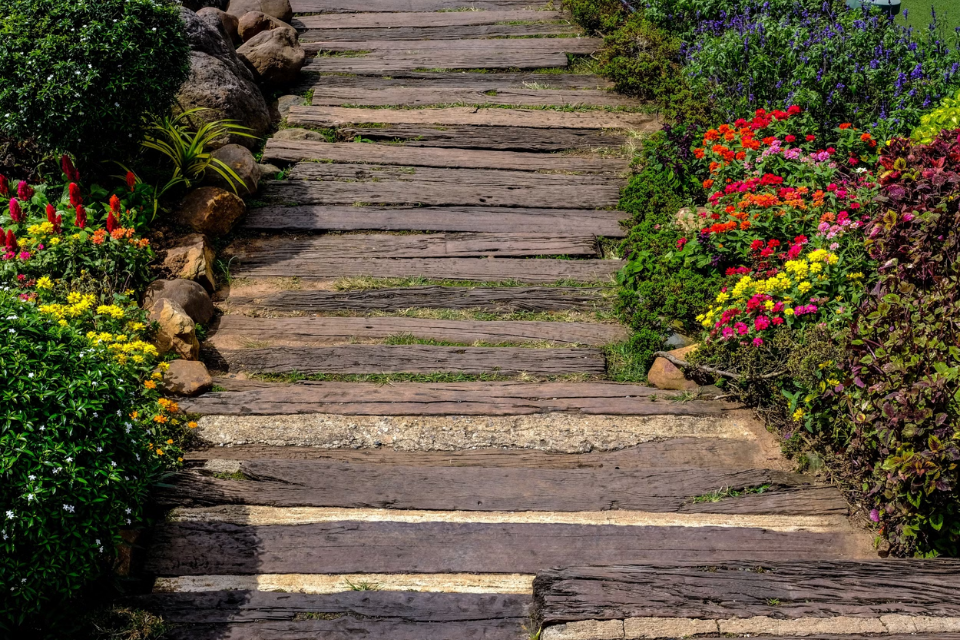
Wooden pathways add warmth and natural character to outdoor spaces. They are commonly used in forest gardens, parks, or areas where a softer, more organic design is desired. Raised wooden walkways can also protect sensitive soil areas and improve drainage.
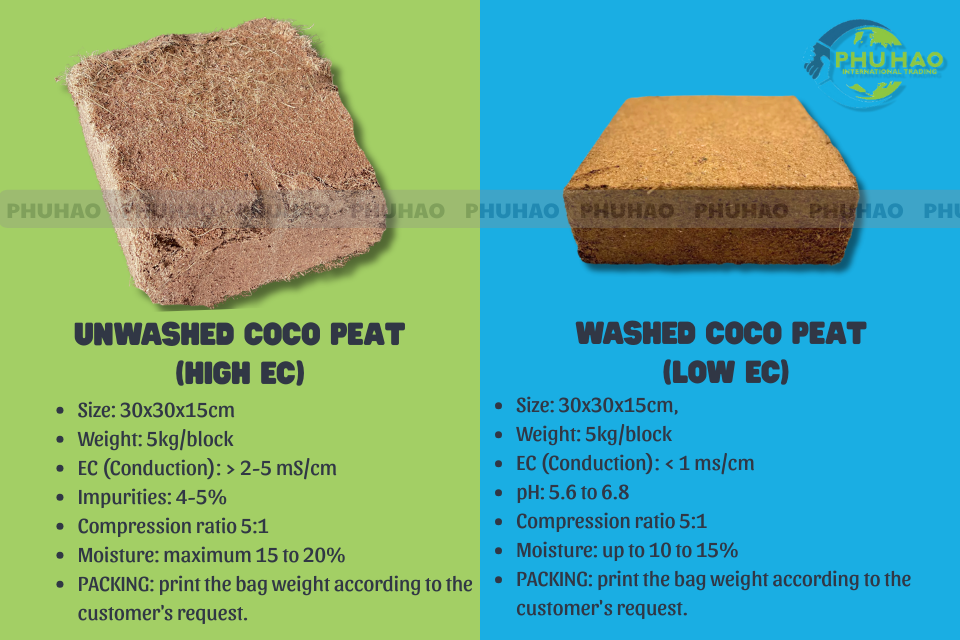
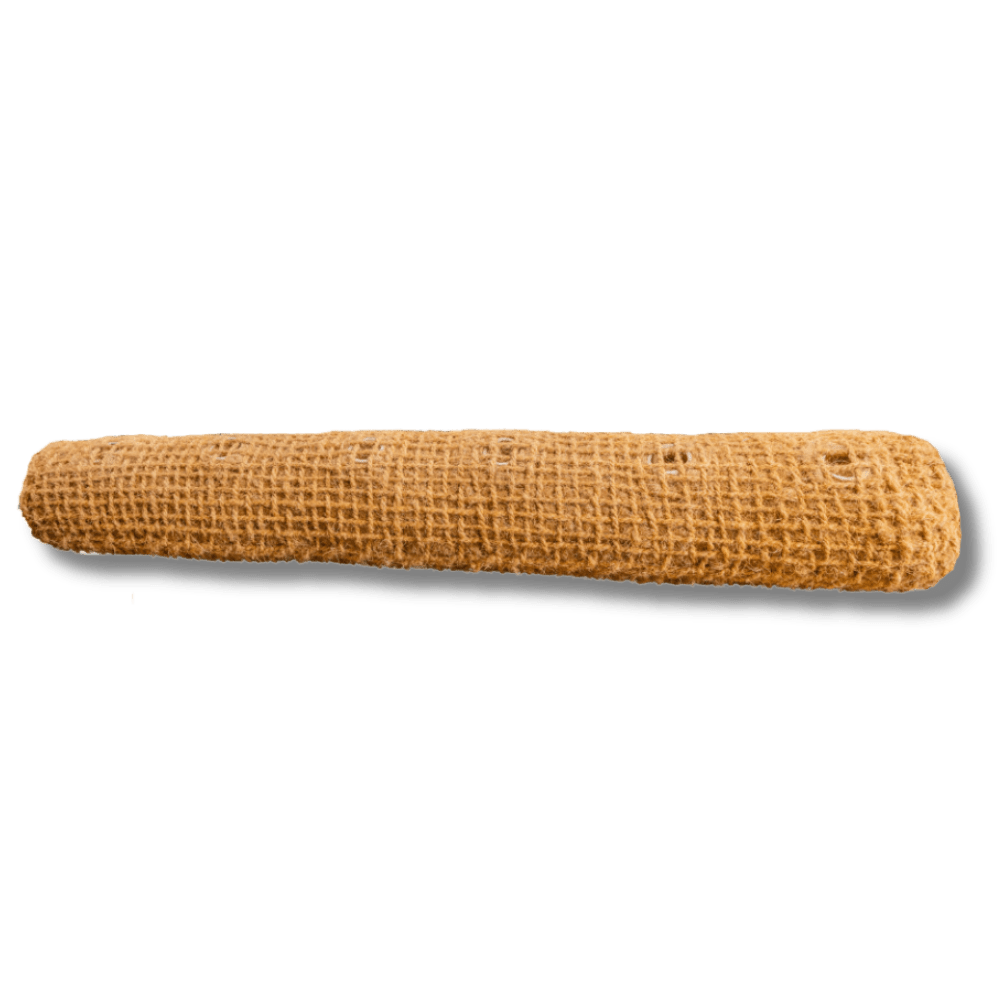
An increasingly popular eco-friendly option for garden pathways is coir mats made from coconut fiber. These natural mats can be placed on soil paths or garden walkways to create a cleaner and more stable surface. Coir mats help reduce mud, improve traction, and prevent soil erosion caused by frequent foot traffic. As coconut fiber is biodegradable and renewable, coir mats are a sustainable landscaping material that aligns with environmentally responsible garden design.

Designing a garden path provides an opportunity to enhance the beauty and character of your outdoor space. Rather than constructing a simple straight walkway, many homeowners and landscape designers explore various shapes and materials.
Curved pathways are particularly popular as they create a natural flow through the garden and invite visitors to explore the area. These paths work well in gardens filled with plants, trees, or decorative features.
Stepping stone paths offer another creative option. Individual stones set across grass or gravel form a light, elegant walkway that seamlessly blends into the landscape.
Mixing materials can also create interesting visual effects. For instance, combining stone slabs with gravel or wooden borders adds texture and contrast to the pathway.

Additionally, some designers enhance pathways by incorporating border plants, small lights, or decorative stones. These elements help guide visitors and create a welcoming, attractive garden environment.
Different outdoor areas require specific types of pathways based on their function and the level of foot traffic.
In backyard gardens, pathways often connect seating areas, flower beds, or small patios. Soft, natural materials such as gravel or stepping stones are commonly used in these spaces.
For front-yard entrances, pathways should be durable and visually appealing, as they create the home’s first impression. Popular choices include brick, stone, or well-designed paver walkways.
In vegetable gardens, pathways allow gardeners to move easily between planting beds without compacting the soil. Practical materials for these areas include gravel, wood chips, or coir mats.
For parks and larger landscapes, wider pathways are usually necessary to accommodate higher foot traffic. Strong materials such as pavers, stone, or reinforced natural surfaces are typically utilized in these settings.
Before building a garden path, carefully plan the design and materials.
First, consider the climate and soil conditions of your area. Materials that perform well in dry environments may not work as effectively in wet or muddy conditions.
Proper drainage is also essential. A well-constructed path should allow water to flow away from the walking surface to prevent puddles and erosion.
The path’s width should be comfortable for walking. Most garden paths range between 60 and 90 centimeters wide, depending on their purpose.
Finally, it is important to balance practicality with visual design. A beautiful path should also be safe, durable, and easy to maintain over time.
As environmental awareness grows, many homeowners and landscape designers are choosing more sustainable materials for outdoor construction.

Natural materials such as stone, wood, gravel, and coconut fiber are renewable resources that blend well with outdoor environments. These materials reduce reliance on synthetic products while supporting eco-friendly design principles.
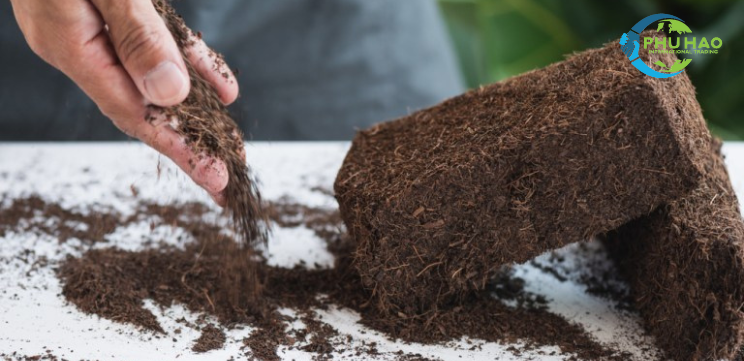
Coconut fiber products, in particular, have gained attention for their versatility in landscaping. Coir mats and other coir-based materials can help stabilize soil, reduce erosion, and provide natural ground coverage in garden pathways.

Using sustainable materials not only benefits the environment but also creates landscapes that feel more organic and harmonious with nature.
Garden paths are an essential element of thoughtful landscape design. They guide movement through outdoor spaces, protect plants and soil, and enhance the visual appeal of gardens.
With many materials and design styles available, homeowners and landscape designers can create pathways that match both functional needs and aesthetic preferences. From traditional stone walkways to eco-friendly coconut-fiber mats, the right garden path can transform a simple outdoor area into a welcoming, organized landscape.

By combining practical planning with creative design ideas, garden paths can become one of the most beautiful and useful features in any outdoor environment.
📞 Tel/WhatsApp/WeChat/Zalo: +84 906 789 215
📧 Email: phuhaogroup@gmail.com / henry@phuhaogroup.com
🌐 Website: www.phuhaogroup.com
🏬 Alibaba: phuhaogroup.trustpass.alibaba.com
▶️ YouTube: @phuhaogroup

You have0products in your cart
There are no products in the cart.
Total order price