17 Jul, 2026
The coconut tree is often referred to as the “Tree of Life,” and for good reason. Every part of the coconut can be transformed into valuable products, from its refreshing water and nutritious flesh to its husk and hard shell. What was once considered agricultural waste has now become an important raw material for sustainable industries.
As consumers and businesses increasingly seek eco-friendly alternatives, the coconut stands out as a remarkable example of the circular economy. In this system, resources are reused, recycled, and repurposed instead of being discarded.
In this article, we will explore how every part of the coconut is utilized to create sustainable products, reduce waste, and support local communities.
Coconuts are harvested when they reach the desired maturity, depending on their intended use.
Young coconuts are popular for their refreshing coconut water, while mature coconuts are valued for their rich white flesh, which is processed into coconut milk, coconut oil, desiccated coconut, and other food products.
Once the water and meat are removed, the husk and hard shell were traditionally considered waste. Today, these by-products have become valuable resources for a wide range of industries.

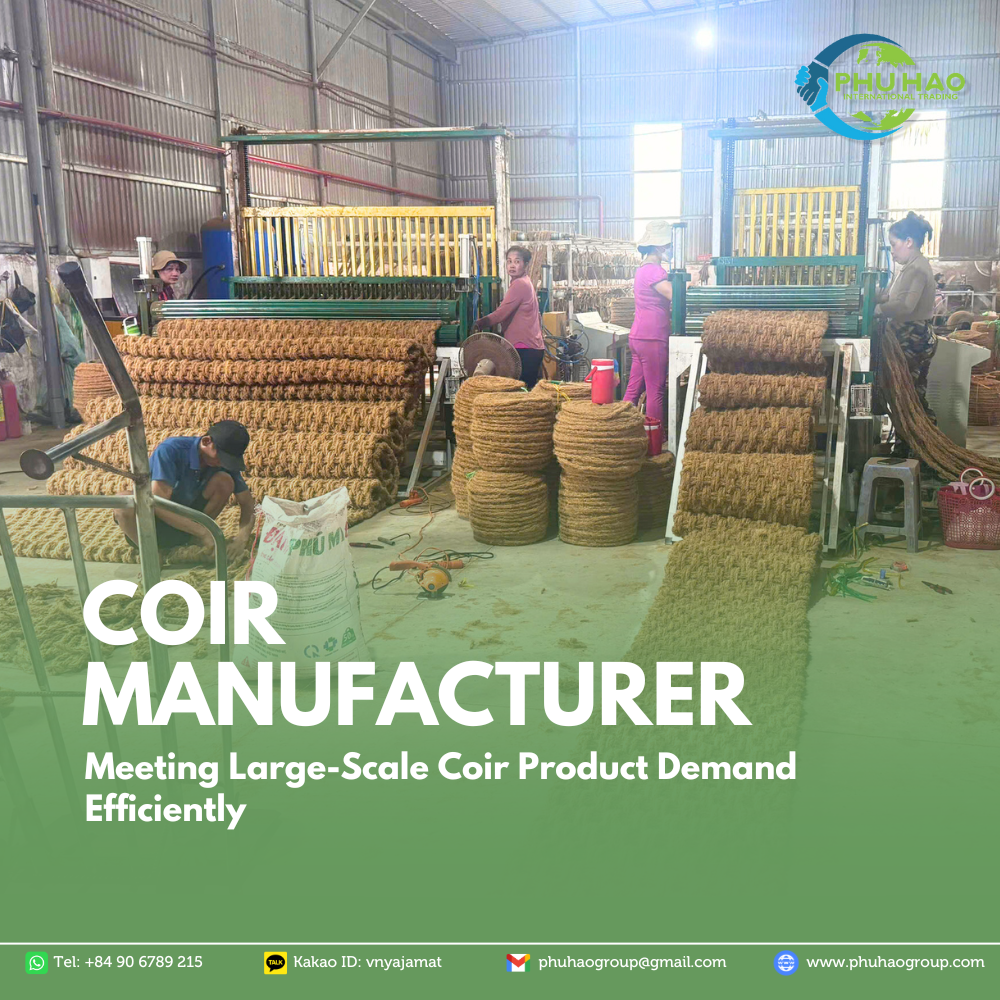
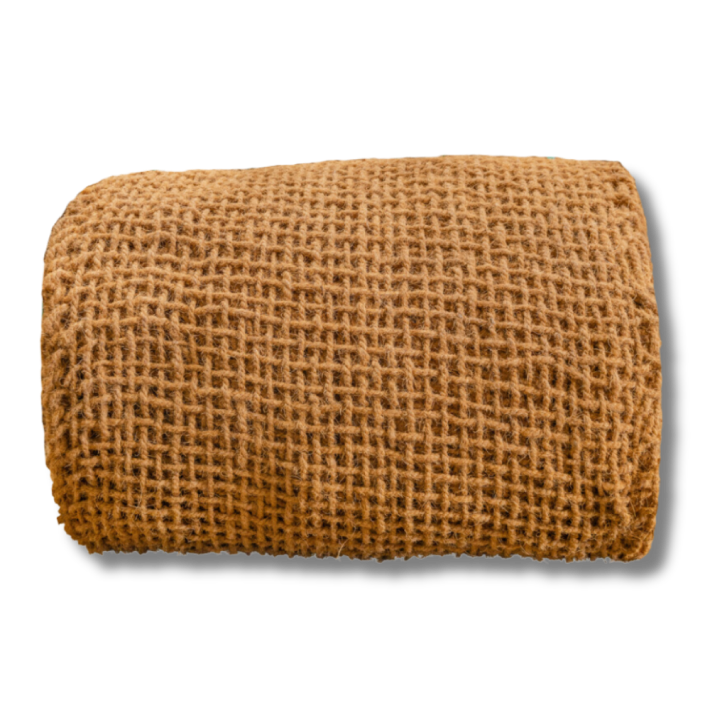
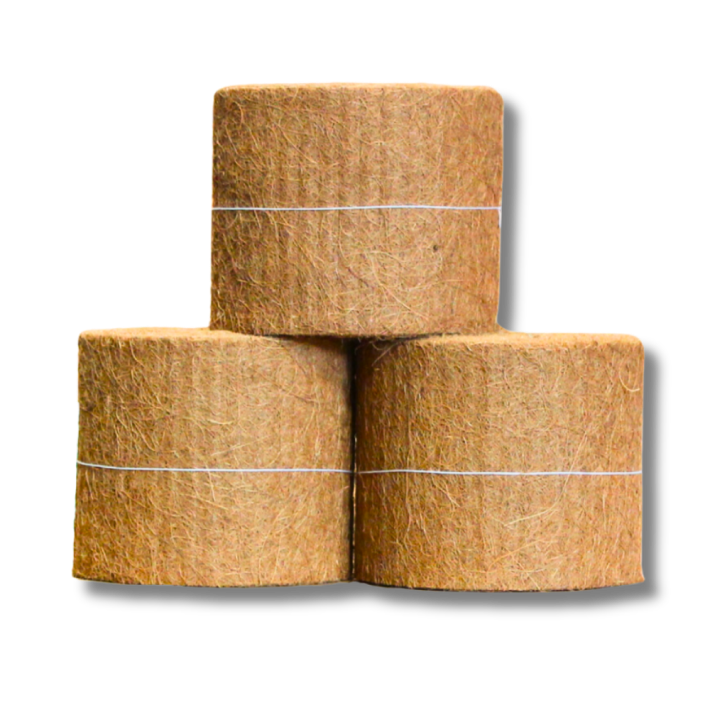
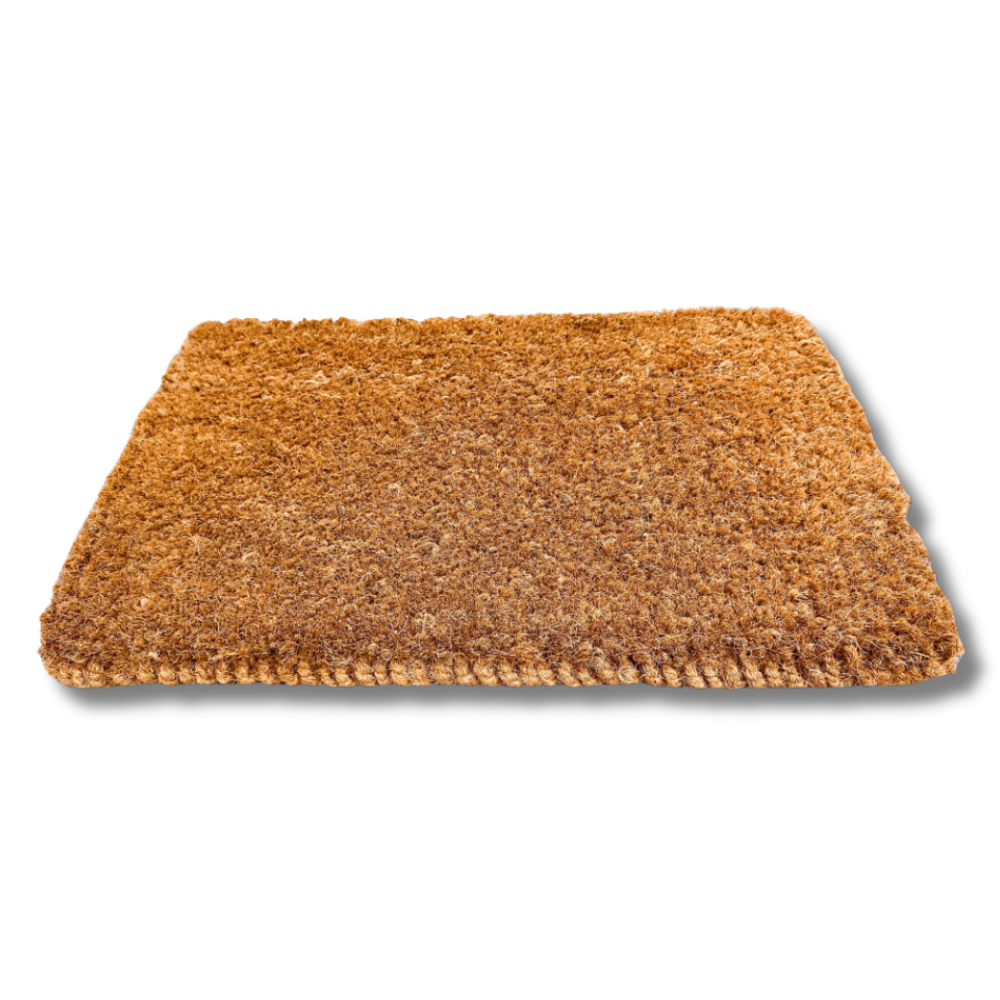
The fibrous outer husk of the coconut contains coir fiber, one of nature’s strongest and most durable natural fibers.
After processing, the husk is separated into long fibers and fine particles, each serving different purposes.
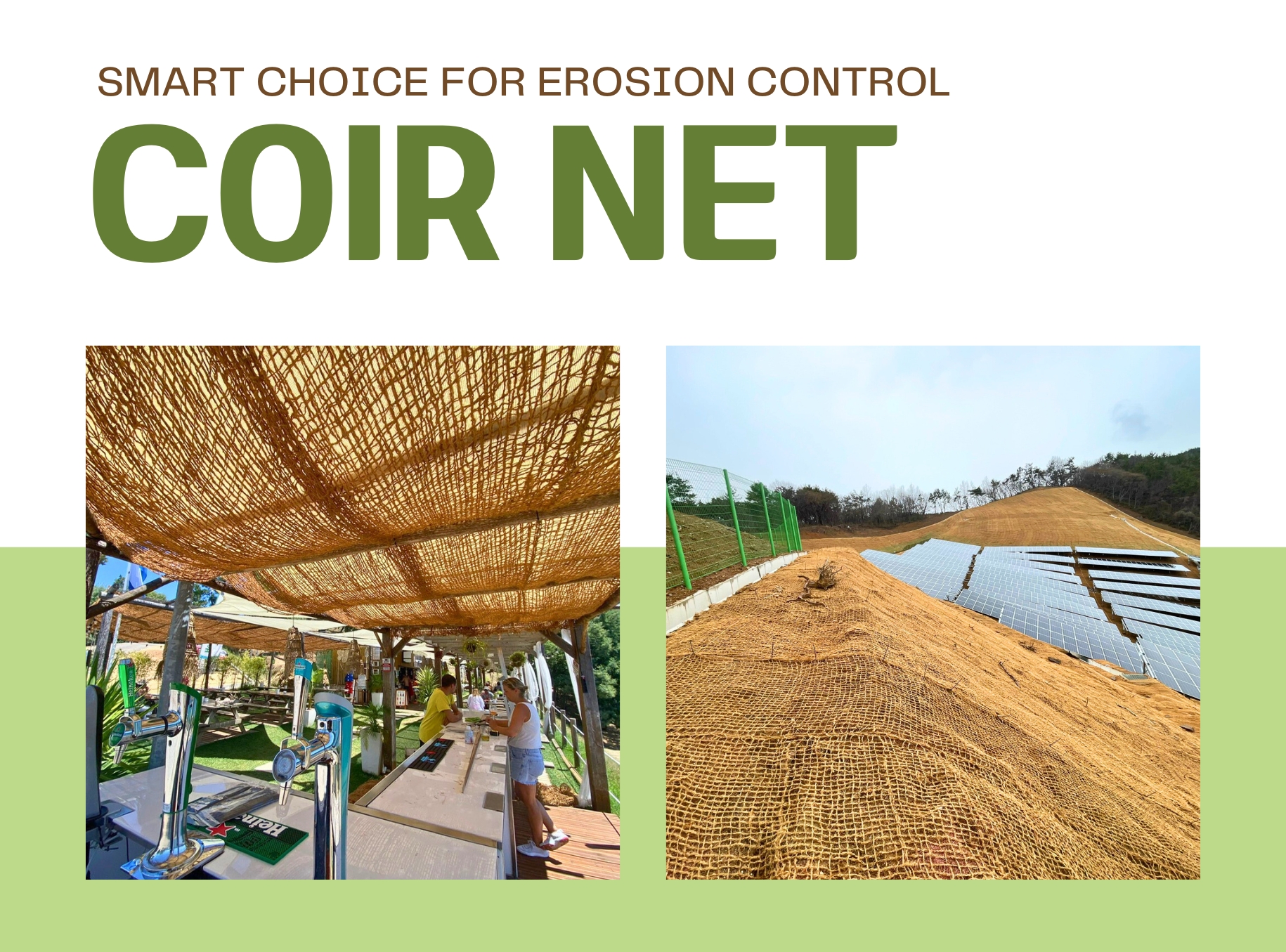
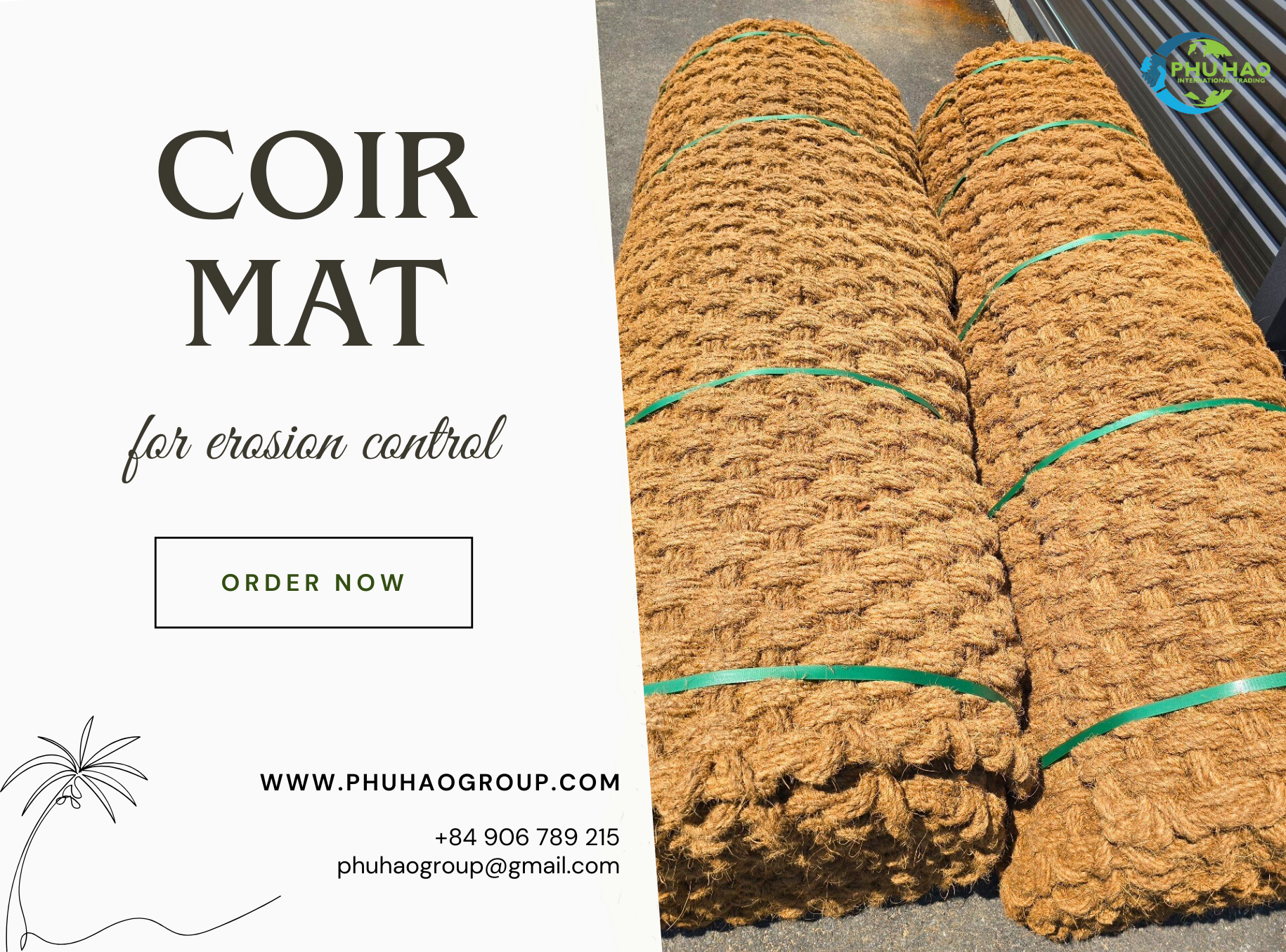
Coir fiber is transformed into products used in landscaping, agriculture, construction, and home improvement, including:
Because coir fiber is naturally biodegradable, these products provide environmentally friendly alternatives to synthetic materials while helping protect soil and support vegetation growth.

During the extraction of coir fiber, fine particles known as coco peat are collected.
Rather than being discarded, coco peat has become one of the world’s most popular growing media due to its excellent water retention and aeration properties.
Coco peat is widely used for:
Its renewable nature makes it an ideal solution for modern sustainable agriculture.

After removing the coconut meat, the hard shell remains.
Although once treated as waste, coconut shells are now appreciated for their durability, unique texture, and natural beauty.
With skilled craftsmanship, coconut shells can be transformed into attractive and functional products.
Natural coconut shell bowls have become increasingly popular as sustainable alternatives to plastic and ceramic tableware.
Each bowl features unique grain patterns, making every piece one of a kind.
They are commonly used for:

The hard shell can also be crafted into a variety of decorative and gift items, including:
These products combine traditional craftsmanship with sustainable materials, giving coconut shells a new purpose while reducing waste.

The coconut industry demonstrates how a circular economy can transform agricultural by-products into valuable resources.
Instead of sending waste to landfills, different parts of the coconut are processed into products for multiple industries.
| Coconut Part | Sustainable Product |
|---|---|
| Coconut Water | Beverage |
| Coconut Meat | Food, Coconut Milk, Coconut Oil |
| Coconut Husk | Coir Fiber, Coir Mats, Coir Nets, Coir Logs |
| Fine Coir Dust | Coco Peat |
| Hard Shell | Bowls, Souvenirs, Home Décor |
By maximizing the use of every part of the coconut, manufacturers reduce waste while creating additional income for farmers, artisans, and local communities.
Consumers today are paying closer attention to the environmental impact of the products they buy.
Natural coconut products offer several advantages:
These benefits make coconut-based products increasingly attractive to both consumers and businesses seeking environmentally responsible solutions.
At Phu Hao Group, we believe that sustainability begins with making the most of natural resources.
By transforming coconut by-products into high-quality coir mats, coco peat, erosion control solutions, and handcrafted coconut shell products, we help reduce waste while creating practical, eco-friendly products for customers around the world.
Our commitment to responsible manufacturing supports the principles of the circular economy—turning what was once considered waste into products that benefit agriculture, landscaping, home décor, and everyday living.
The journey of a coconut doesn’t end after its water is enjoyed or its meat is processed. Instead, it marks the beginning of a new cycle where every part of the fruit is given a meaningful purpose.
From coir mats that protect landscapes and coco peat that helps plants thrive, to coconut shell bowls and handcrafted souvenirs that bring natural beauty into our homes, the coconut is a powerful example of how innovation and sustainability can work together.
As industries continue to embrace circular economy principles, coconut-based products will play an increasingly important role in building a greener, more sustainable future.
📞 Tel/WhatsApp/WeChat/Zalo: +84 906 789 215
📧 Email: phuhaogroup@gmail.com / henry@phuhaogroup.com
🌐 Website: www.phuhaogroup.com
🏬 Alibaba: phuhaogroup.trustpass.alibaba.com
▶️ YouTube: @phuhaogroup
You have0products in your cart
There are no products in the cart.
Total order price