18 Oct, 2026
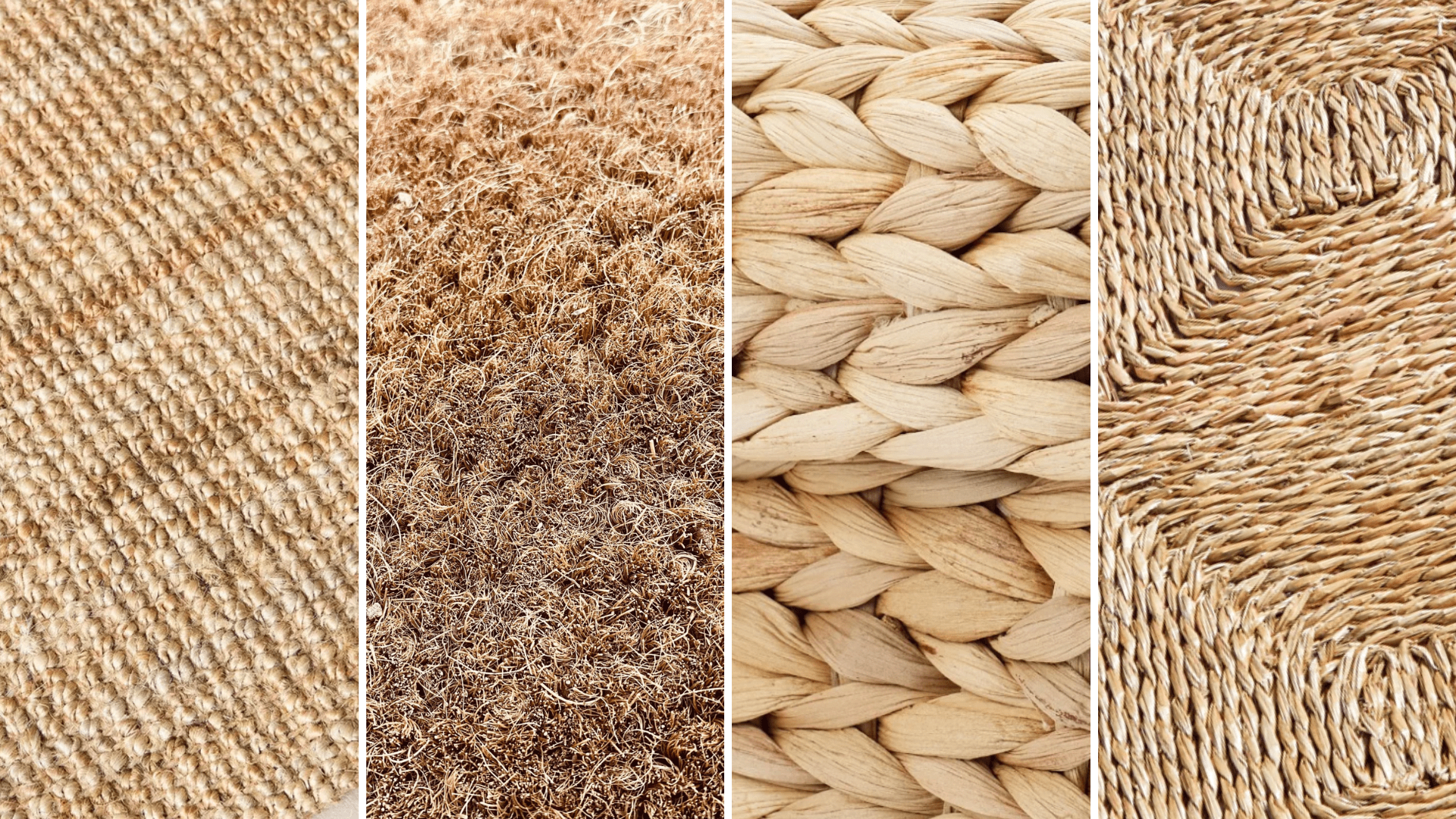
Comparing coir tape and burlap tree wrap provides the core technical foundation for agronomic engineers, project contractors, and municipal urban management boards to determine the optimal trunk protection solution for newly transplanted shade trees. In large-scale developments, the choice of wrapping material directly impacts tree survival rates, root physiological recovery speed, and resilience against severe weather conditions. Directly comparing coir tape and burlap tree wrap—contrasting bio-molded coconut coir by-products with traditional woven jute fibers—clarifies material adaptability while resolving comprehensive operating budget challenges for commercial planting projects.
Comparing coir tape and burlap tree wrap delivers empirical physical data on weather resistance and trunk microclimate stability. Analyzing natural fiber structures assists engineers in selecting precise thermal shock protection solutions. This approach cuts labor budgets by 30% and accelerates the recovery rate of transplanted urban trees.
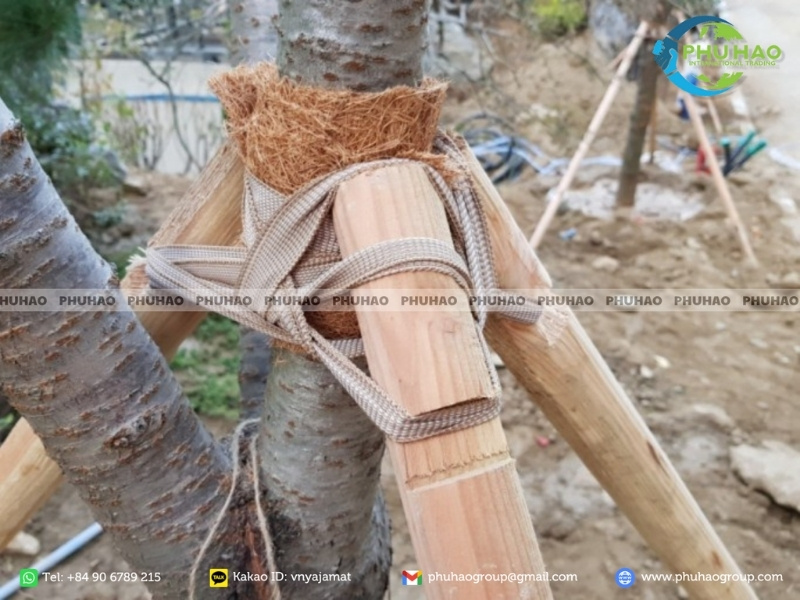
In practice, when comparing coir tape and burlap tree wrap, contractors express high satisfaction with the trunk protection benefits that coir wrap tape delivers on project sites
From an ecological materials science perspective, when comparing coir tape and burlap tree wrap, plant fiber resistance against harsh solar radiation depends primarily on internal natural lignin content. Mature coconut fibers contain very high lignin levels, ranging between 40% and 45%, forming a tough cellular bond that withstands intense sunlight and high outdoor temperatures. Prolonged exposure to harsh sunlight leaves the roll-form coir wrap tape structurally sound, avoiding embrittlement, breakage, or disintegration of the protective tree buffer.
Conversely, comparing coir tape and burlap tree wrap reveals that burlap jute fabric comprises mainly short fibers with substantially lower lignin concentrations. Continuous exposure to ultraviolet radiation and elevated ambient temperatures along asphalt medians or public parks accelerates jute embrittlement, causing fibers to weaken and lose surface tensile strength after only a few months of shielding.
Systematically comparing coir tape and burlap tree wrap indicates that the bark of newly planted trees reacts sensitively to localized moisture imbalances. The porous, airy structure of natural coconut fiber, riddled with microscopic air pockets, provides optimal moisture dissipation capacity while creating an ideal thermal insulation cushion. During irrigation or prolonged rain, coir retains just enough moisture to cool the outer bark before quickly ventilating, allowing the trunk surface to breathe freely and eliminating trunk rot risks caused by prolonged water stagnation.
In contrast, findings from comparing coir tape and burlap tree wrap show that woven jute sacks absorb moisture rapidly yet retain dampness for extended periods. During tropical rainy seasons, heavy, saturated burlap clings tightly against the tree bark, generating trapped heat and keeping the wood constantly soaked. This suffocating, moist environment breeds pathogens and fungal molds, softening and damaging the tender outer layer that protects the tree’s nutrient transport vascular system.
The original deep earthy brown tone of coconut coir blends harmoniously with natural tree bark. Produced in uniform widths of 10 cm, 15 cm, or 20 cm, the coir strips hug the trunk circumference tightly, creating neat, orderly, and elegant spiral wraps. Applying this natural material helps street plantings maintain consistent green architectural standards, satisfying rigorous benchmarks for modern urban greening aesthetics.
Meanwhile, field surveys comparing coir tape and burlap tree wrap demonstrate that recycled commercial burlap sacks often feature uneven, stained gray coloring, frayed edges, and irregular dimensions. When wrapped around tree trunks in eco-urban master plans, patchwork burlap seams stand out conspicuously, conveying a makeshift appearance and drastically reducing the visual quality of the entire tree planting project.
Following severe downpours, data from comparing coir tape and burlap tree wrap reveals that rain rot degradation of trunk wrapping materials creates serious headaches for supervising site engineers. Bio-molded coir rolls, bound securely with specialized eco-adhesives, maintain their firm, form-fitting shape around the trunk for 12 to 24 months without sagging or edge fraying. This dimensional stability ensures uninterrupted trunk protection until root systems anchor deeply into the soil and canopies flush with vigorous growth.
A major drawback observed when comparing coir tape and burlap tree wrap is that traditional jute burlap repeatedly stretches when saturated and shrinks abruptly under blazing sun. After just 2 to 3 months on site, burlap layers begin rotting, tearing into tatters, and sagging down toward the tree base, forcing greening maintenance crews to dispatch labor continuously for patch repairs prior to project inspections.
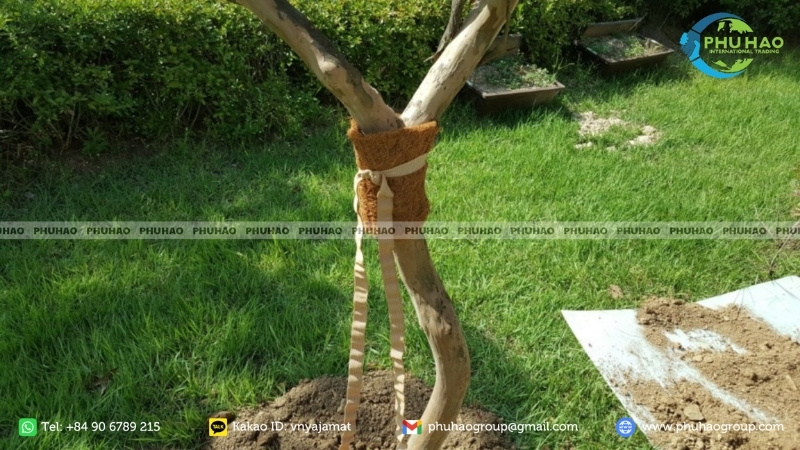
Eco-urban developments prioritize form-stable coir wrap tape to maintain high aesthetic standards
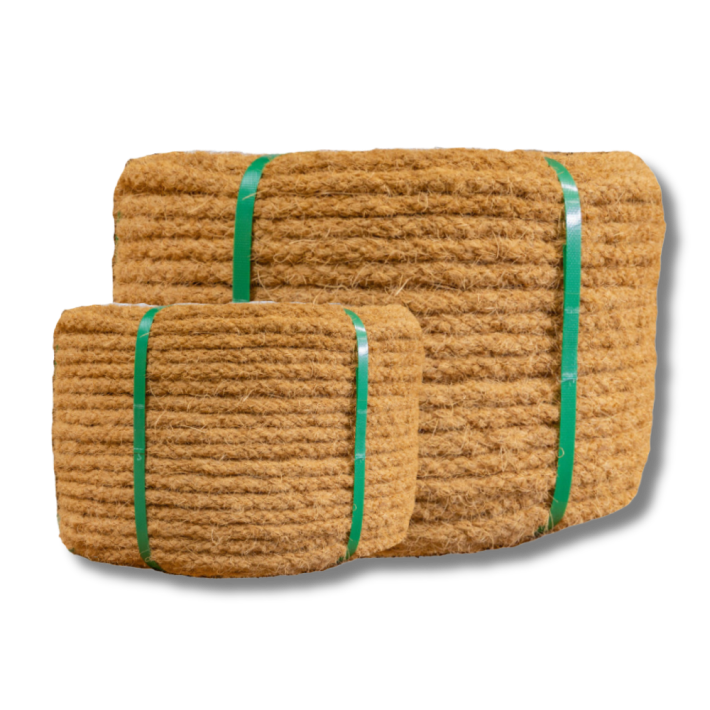
Standard 10-meter rolls offer significant technical handling advantages. Field technicians simply carry the lightweight coir roll, circle the trunk, and unroll the tape at a preset angle. Wrapping proceeds rapidly and continuously from the root collar up to the primary scaffold branches without stopping for complex measurements or manual pinning.
Evaluating project operations by comparing coir tape and burlap tree wrap, using discarded burlap sacks forces workers through tedious prep steps: measuring tree trunks, slicing sacks into smaller strips, wrapping loose fragments, and tying multi-layered nylon strings. These disjointed steps increase processing time per tree by 50% compared to pre-molded rolls.
Analyzing project financial models while comparing coir tape and burlap tree wrap, cost estimation engineers observe clear overall variance between both options:
| Evaluation Criteria | Eco-Friendly Coir Wrap Tape Roll | Traditional Jute Burlap Tree Wrap |
| Material Specifications | Standard roll: 10–20 cm × 10 m, 5 mm thickness (bio-adhesive molded) | Loose recycled sacks manually cut on site |
| Auxiliary Fasteners | Lightweight binding twine at both roll ends | Nylon strings, wire bindings tied around multiple layers |
| Average Wrapping Time / Tree | 4 to 5 minutes per standard trunk | 9 to 12 minutes per trunk (including cutting and patching) |
| Field Lifespan on Site | 12 to 24 months (decomposes into organic humus) | 2 to 3 months (rots, frays, and tears apart) |
| Labor Savings Rate | Saves 30% in overall crew time and labor allocation | Consumes substantial labor for cutting, wrapping, and continuous patching |
*Note: Wrapping time metrics and shift productivity represent empirical benchmarks on standard commercial tree trunks; actual figures may vary depending on trunk caliper specifications and site staging conditions.
By eliminating manual cutting steps and speeding up trunk wrapping, total installation costs per planted tree decrease substantially. Savings gained from cutting skilled labor hours by 30% more than offset the initial material price difference, delivering superior cash flow efficiency for commercial greening contractors.
>>> READ MORE: Coir Tape Roll Export Specifications To South Korea: Carton Box And 40HC Container Standards
How many trees can a single worker wrap per day using coir rolls instead of burlap?
A single installer wraps 60 to 70 trees daily with coir wrap tape rolls, whereas manual burlap wrapping achieves only 35 to 40 trees per shift.
Do workers need to remove the coir wrap once the tree establishes strong roots?
No removal is necessary. The natural coconut fibers biodegrade directly into organic humus rich in micronutrients that nourish the topsoil layer around the root zone.
Does wrapping trunks with coir tape encourage insects or termites to nest beneath the bark?
No. High breathability prevents anaerobic, moist conditions, actively deterring insect nesting and fungal proliferation under the bark.
Conducting a comprehensive evaluation by comparing coir tape and burlap tree wrap helps project developers, materials engineers, and general contractors clearly identify long-term value across biological functionality and project economics. Switching from discarded scrap burlap to natural coir rolls raises tree survival rates and confirms a clear commitment to sustainable green development. To maximize tree protection performance and optimize labor budgets, adopting this technical benchmark provides an indispensable solution for modern tree nurseries and urban green space builders.
Contact us for a detailed FOB & CNF quotation:
PHU HAO INTERNATIONAL TRADING CO., LTD (PHUHAOGROUP)
📞 Tel/WhatsApp/WeChat/Zalo: +84 906 789 215
📧 Email: phuhaogroup@gmail.com / henry@phuhaogroup.com
🌐 Website: www.phuhaogroup.com
🏬 Alibaba: phuhaogroup.trustpass.alibaba.com
▶️ YouTube: @phuhaogroup
You have0products in your cart
There are no products in the cart.
Total order price