17 Apr, 2026
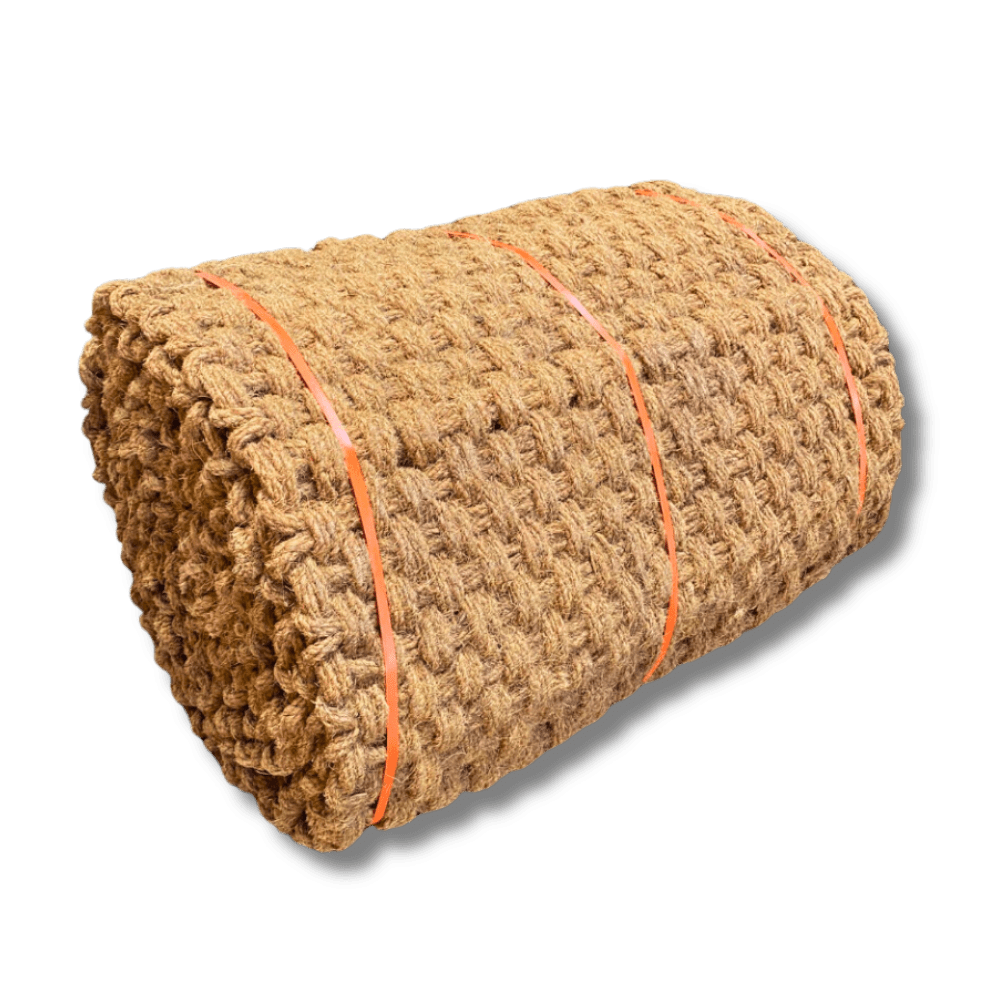
In today’s move toward sustainability, the concept of a circular economy is changing how industries manage resources. Instead of throwing away waste, materials are reused, repurposed, and reintegrated into production cycles. A prime example of this model is the transformation of coconut waste into coir mats, which are natural and biodegradable solutions commonly used in erosion control and landscaping.

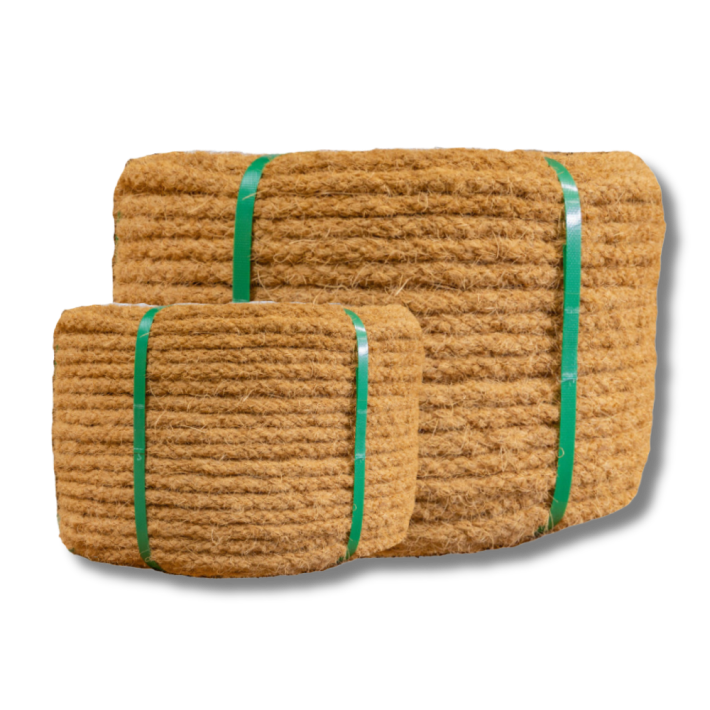
Coconut waste primarily consists of the husk, which is the fibrous outer layer of the coconut. After the edible parts are utilized, millions of tons of husks are often discarded or burned, leading to environmental pollution. However, these husks are rich in coir fiber, a durable and versatile natural material that can be repurposed into valuable products such as ropes, brushes, and most importantly, coir mats.

Turning coconut waste into coir mats involves several eco-friendly steps:
Coconut husks are soaked and processed to separate the coir fibers.
The fibers are washed and sun-dried to ensure quality and durability.
Fibers are spun into yarn and woven into mats with different thicknesses and densities.
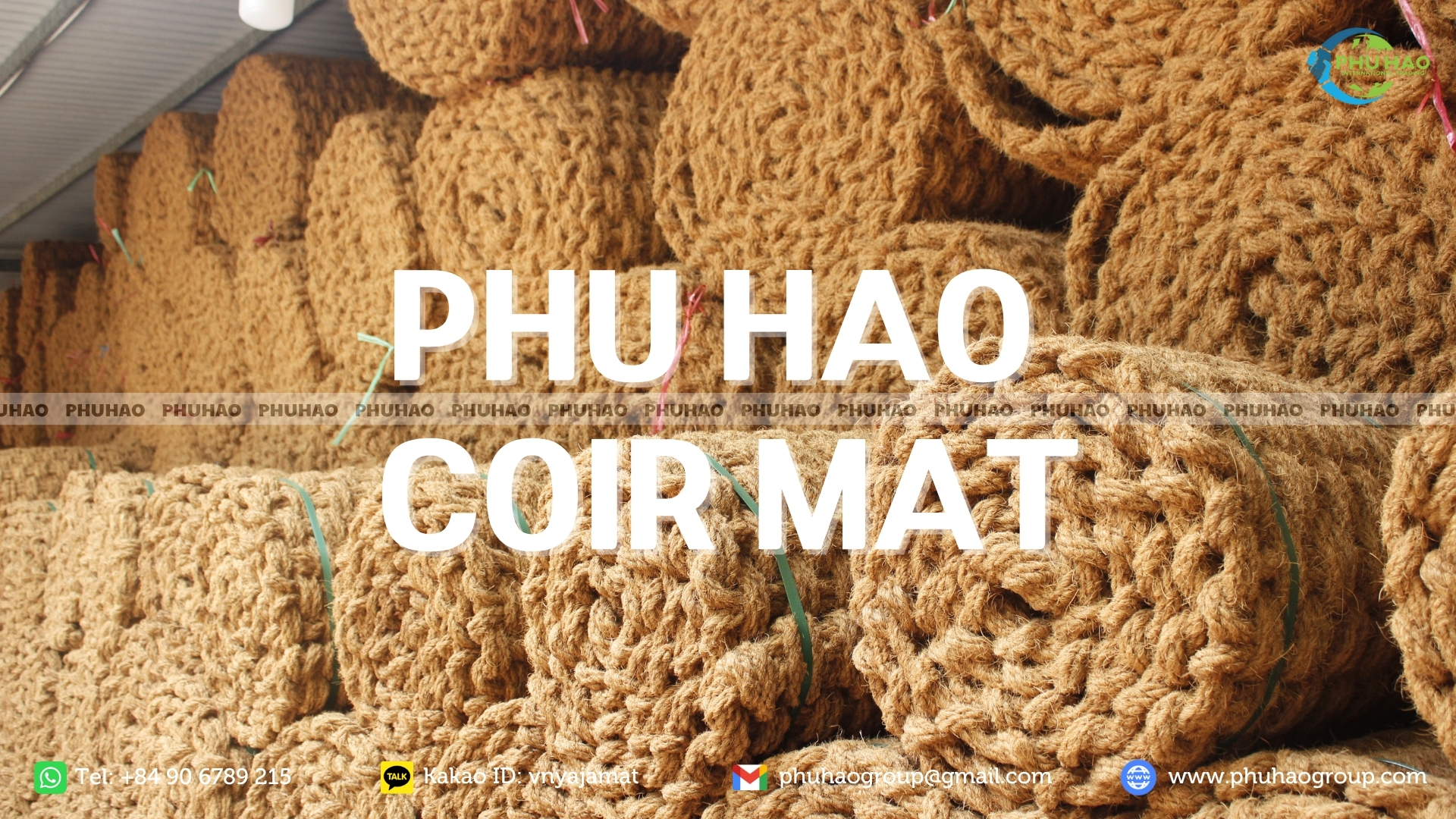
The final products are strong, biodegradable mats used for soil stabilization, slope protection, and landscaping.
This process requires minimal chemical treatment, making it both environmentally and socially sustainable.
You can view the production process here.
By converting coconut husks into useful products, coconut coir mats help reduce agricultural waste and pressure on landfills.
Unlike synthetic materials, coconut mats naturally decompose over time, enriching the soil instead of polluting it.
Coir mats prevent soil erosion, retain moisture, and support vegetation growth—key factors in land restoration.
The production process relies largely on manual labor and natural drying, reducing energy consumption and emissions.
The coir industry not only benefits the environment but also supports local communities in coconut-producing regions. It creates jobs in rural areas and promotes responsible use of natural resources.

By choosing coir mats, businesses and contractors contribute to:

Coir mats are widely used in:
Their versatility and eco-friendly nature make them an ideal choice for modern infrastructure projects.
The transformation of coconut waste into coir mats is a compelling example of the circular economy in action. What was once considered trash is now a valuable and sustainable solution for environmental challenges.
As industries shift towards more eco-friendly practices, coir mats emerge as a straightforward yet effective way to promote waste reduction, sustainability, and functionality.
📞 Tel/WhatsApp/WeChat/Zalo: +84 906 789 215
📧 Email: phuhaogroup@gmail.com / henry@phuhaogroup.com
🌐 Website: www.phuhaogroup.com
🏬 Alibaba: phuhaogroup.trustpass.alibaba.com
▶️ YouTube: @phuhaogroup
You have0products in your cart
There are no products in the cart.
Total order price