19 Mar, 2026
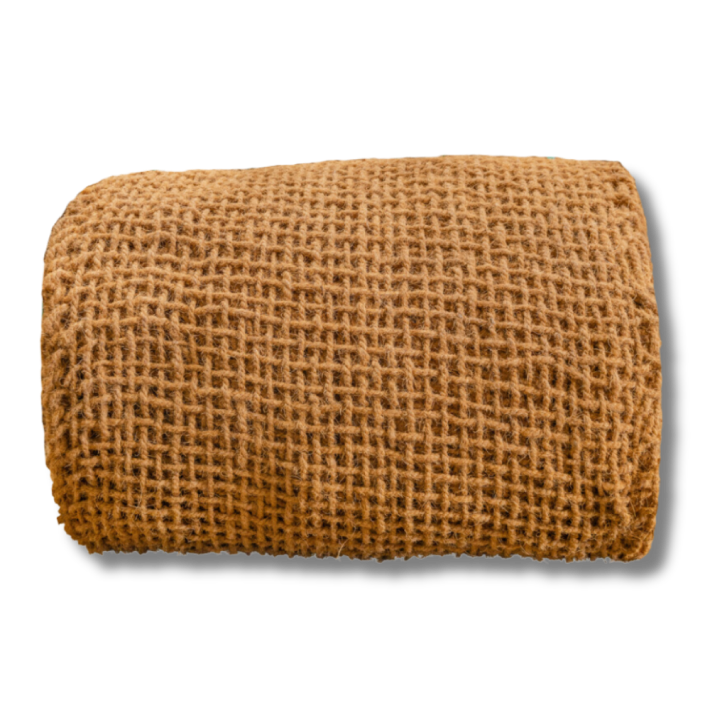
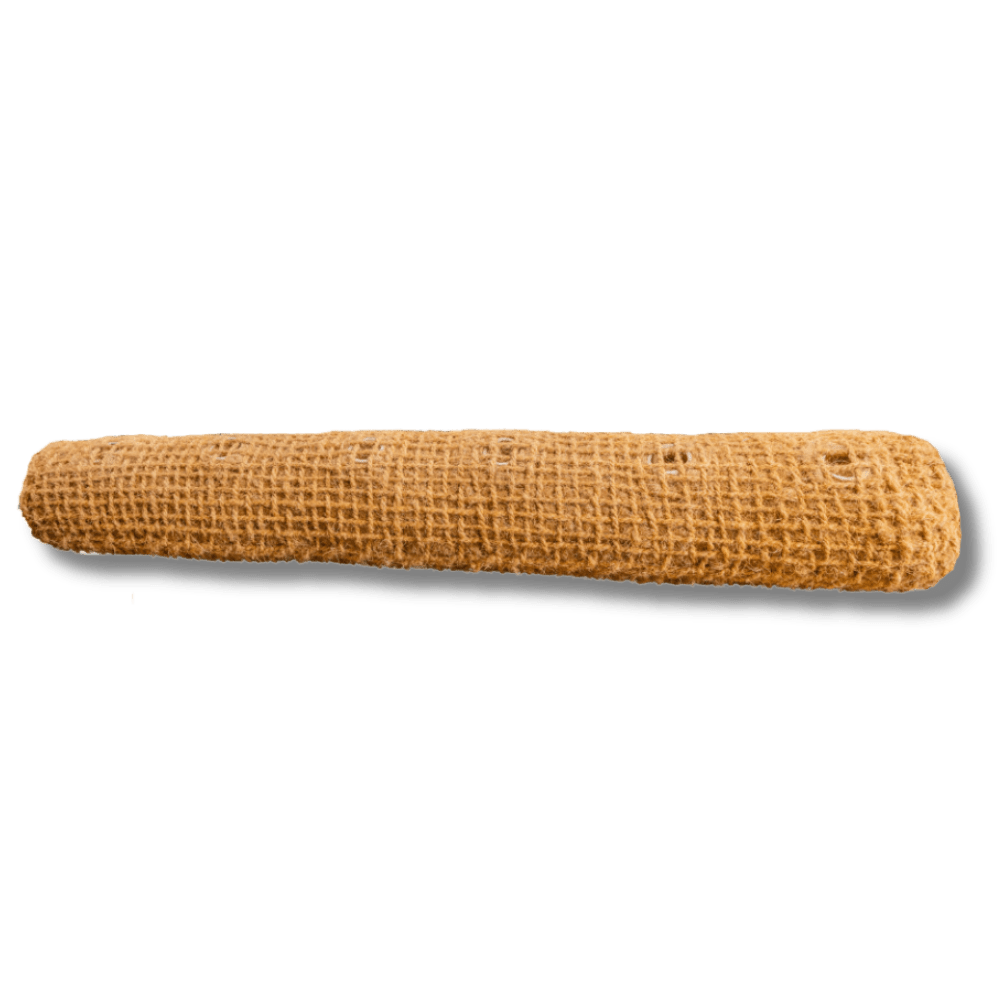
Coir mesh, also known as coir netting or coconut mesh, is a natural material made from 100% coconut fiber. It is commonly used in erosion control, slope stabilization, and environmental restoration projects. Due to its biodegradable nature and strong fiber structure, coir mesh provides temporary soil support while allowing vegetation to grow naturally.
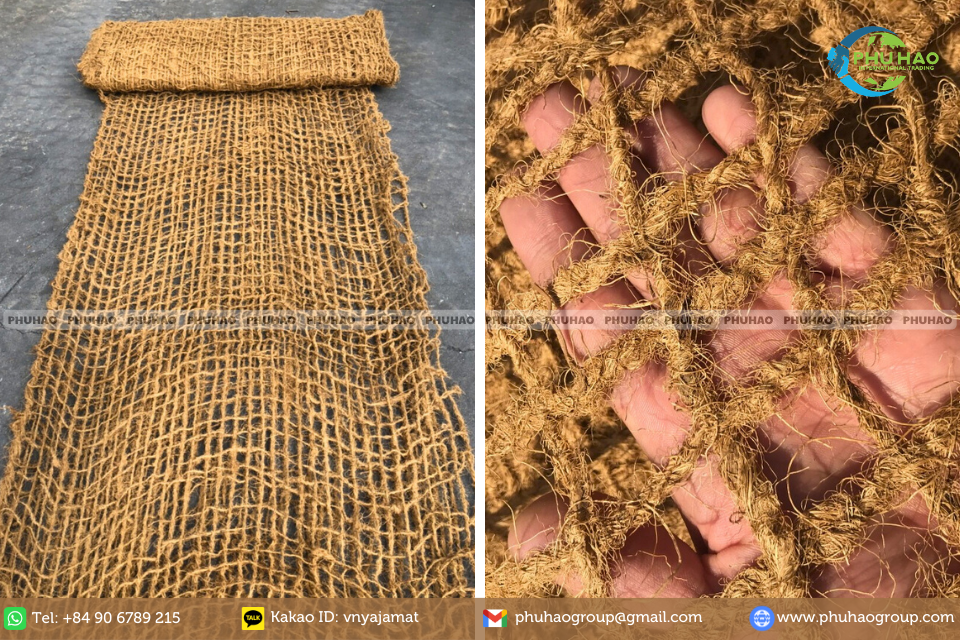
Coir Mesh / Coco Mesh / Coir Netting
Over time, coco mesh decomposes and integrates into the soil, enriching it with organic matter. This makes it an ideal solution for eco-friendly construction and landscaping applications.
High-quality coir mesh products, such as those manufactured by Phu Hao, are designed to balance durability with environmental sustainability, making them suitable for both small-scale and large infrastructure projects.
Synthetic netting is usually made from petroleum-based materials like polypropylene or nylon. It is widely used in construction, agriculture, and erosion control because of its high strength and long lifespan.
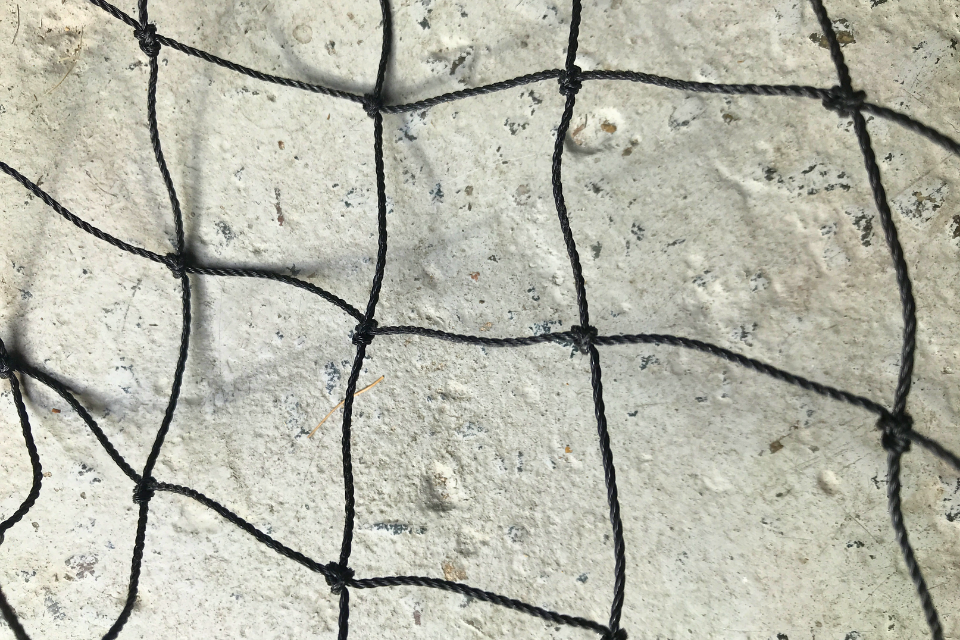
Synthetic Netting
Unlike natural materials, synthetic netting does not decompose easily. While it is durable, it can persist in the environment for many years, contributing to long-term waste and potential ecological problems.

| Criteria | Coir Mesh (Natural Coir Netting) | Synthetic Netting (Plastic-Based) |
| Material Composition | Made from 100% natural coconut fiber (renewable resource) | Made from petroleum-based materials (polypropylene, nylon) |
| Environmental Impact | Biodegradable, eco-friendly, decomposes naturally without residue | Non-biodegradable, contributes to long-term plastic pollution |
| Durability & Lifespan | Durable for temporary use; naturally degrades over time | Highly durable, long-lasting, resistant to harsh conditions |
| Soil Interaction | Improves soil health by adding organic matter during decomposition | Does not improve soil; may remain in soil for years |
| Moisture Retention | Retains moisture, supporting seed germination | Limited moisture retention capability |
| Disposal | Naturally decomposes, no disposal needed | Requires removal or disposal after use |
| Best Use Cases | Erosion control, landscaping, reforestation, slope stabilization, and shadow mesh | Heavy-duty, long-term industrial applications |
The choice between coir mesh and synthetic netting depends on your project requirements, environmental goals, and expected lifespan.
Coconut mesh is ideal for:
Erosion control projects
Landscaping and gardening
Riverbank and slope stabilization
Reforestation and ecological restoration
Sustainable construction projects
For more details about specifications and applications, you can explore Phu Hao’s coir mesh solutions here:
👉 https://phuhaogroup.com/coir-mesh-rolls/

Synthetic netting may be suitable for:
Heavy-duty industrial applications
Projects requiring long-term structural reinforcement
Situations where biodegradability is not a priority

It offers multiple environmental advantages, making it increasingly popular in global markets focused on sustainability:
Fully biodegradable and compostable
Helps improve soil structure and fertility
Supports vegetation growth and root development
Reduces environmental impact compared to plastic alternatives
Ideal for eco-friendly erosion control and land restoration
Despite its durability, synthetic netting presents several environmental concerns:
Non-biodegradable and difficult to dispose of
Can contribute to plastic and microplastic pollution
May negatively affect soil and surrounding ecosystems
Requires removal after use, increasing labor and cost
We provide high-quality coco mesh products manufactured from premium coconut fiber sourced from Ben Tre, Vietnam, one of the world’s leading coconut regions.

Our mesh is designed to meet international standards for erosion control and environmental applications, offering both performance and sustainability.
Key features:
Strong and durable fiber structure
Flexible sizes and GSM options
Easy installation for various terrains
Fully biodegradable and environmentally friendly
Export-ready packaging for global markets
Whether for infrastructure, landscaping, or ecological restoration, we ensure consistent quality and reliable supply for B2B partners worldwide.
Both coir mesh and synthetic netting have their own advantages depending on the application. However, when environmental sustainability is a priority, coconut mesh clearly stands out as the better choice.
Its biodegradability, support for plant growth, and minimal environmental impact make it an ideal solution for modern erosion control and landscaping projects.
By choosing coconut netting, businesses not only achieve effective results but also contribute to a greener and more sustainable future.
📞 Tel/WhatsApp/WeChat/Zalo: +84 906 789 215
📧 Email: phuhaogroup@gmail.com / henry@phuhaogroup.com
🌐 Website: www.phuhaogroup.com
🏬 Alibaba: phuhaogroup.trustpass.alibaba.com
▶️ YouTube: @phuhaogroup

You have0products in your cart
There are no products in the cart.
Total order price